
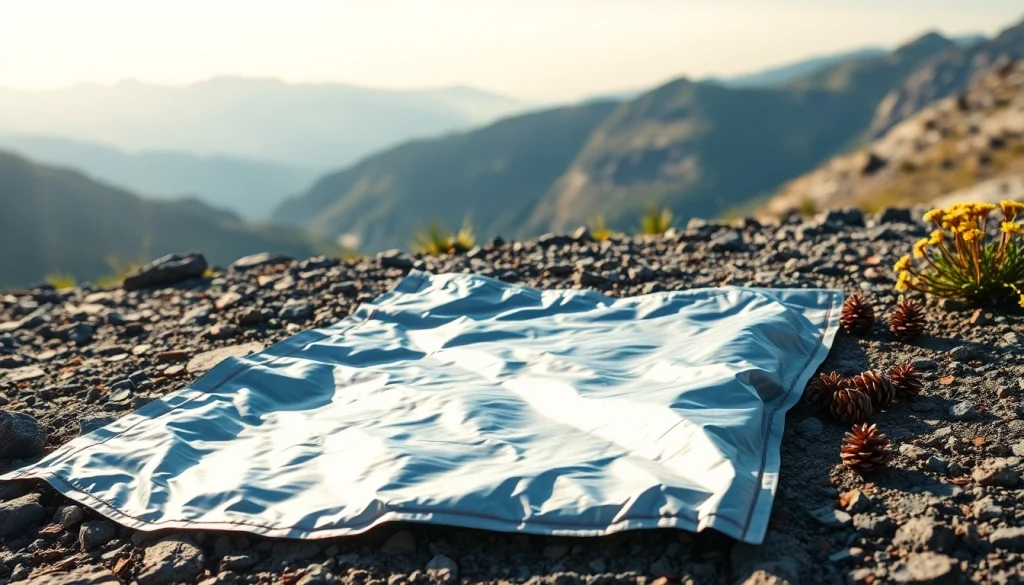
Understanding the Importance of Emergency Blankets
When it comes to emergency preparedness, few tools prove as essential as an emergency blanket. These lightweight, compact, and highly versatile products serve a variety of functions, from preserving warmth in life-threatening situations to providing protection from the elements. Whether you’re an avid outdoor enthusiast, an emergency responder, or someone who simply wants to be prepared for unforeseen circumstances, understanding the significance and utility of emergency blankets can play a crucial role in your safety and preparedness efforts.
1. What is an Emergency Blanket?
An emergency blanket, often referred to as a space blanket or mylar blanket, is a thin sheet made of a metallicized plastic material that reflects body heat back to the user. Developed by NASA for use in space missions, the technology has been adapted for various emergency situations on Earth. These blankets are typically lightweight, about the size of a pocket book when folded, and can be easily carried in backpacks, car glove compartments, or first aid kits.
2. Key Benefits of Using an Emergency Blanket
The benefits of having an emergency blanket on hand are numerous:
- Insulation: One of the primary functions of an emergency blanket is its ability to retain up to 90% of body heat, which is critical in preventing hypothermia.
- Waterproof: Emergency blankets are also waterproof, protecting against rain and moisture that can lead to chilling and discomfort.
- Multi-Purpose Use: Besides warmth, these blankets can also serve as makeshift tents, ground cover, or even signaling devices due to their reflective surfaces.
- Lightweight and Compact: Their small size means they can be easily packed, carried, or stored without taking up much space.
- Cost-Effective: Emergency blankets are relatively inexpensive, making them accessible to nearly everyone.
3. Common Situations Where Emergency Blankets Are Life-Savers
Emergency blankets can be a lifesaver in various scenarios, including:
- Outdoor Adventures: Hikers, campers, and adventurers can use emergency blankets in the case of sudden weather changes or injuries that leave them stranded.
- Car Emergencies: Having an emergency blanket in your car can provide warmth and protection in case of a breakdown or if you become stranded in adverse weather.
- Disaster Preparedness: In the aftermath of natural disasters, emergency blankets can help victims stay warm and dry while waiting for assistance.
- First Aid Situations: In medical emergencies, these blankets can help stabilize body temperature while awaiting advanced medical treatment.
Types of Emergency Blankets
1. Space Blankets vs. Mylar Blankets
The terms “space blanket” and “mylar blanket” are often used interchangeably, but there are subtle differences. Space blankets are generally made from a combination of plastic and aluminum, giving them reflective properties. Mylar blanket is a brand name commonly associated with these types of blankets, though they function similarly. Understanding these differences can help you choose the right blanket for your needs.
2. Evaluating Durability and Insulation
When selecting an emergency blanket, evaluating both durability and insulation capabilities is crucial. Look for blankets that can withstand rough treatment, as well as those that effectively trap heat. High-quality emergency blankets may utilize reinforced edges and more advanced materials to enhance their durability and performance in real-world scenarios.
3. Eco-Friendly Options for Conscious Consumers
With increasing awareness of environmental issues, many manufacturers are now offering eco-friendly emergency blankets made from recyclable materials. These blankets still provide the same thermal insulation and protection but are designed to minimize environmental impact. When shopping, consider choosing a product that aligns with your values regarding sustainability.
How to Effectively Use an Emergency Blanket
1. Wrapping Techniques for Warmth
Properly wrapping yourself in an emergency blanket is essential for ensuring maximum warmth. Start by creating a pocket with the blanket, then slide inside while ensuring the blanket covers your entire body. Tuck the edges around you to trap warm air, making sure to leave your face exposed for ventilation.
2. Emergency Signaling Methods
The reflective surfaces of an emergency blanket can be used for signaling in distress situations. Laying the blanket out flat or waving it can help attract attention from rescuers. The shiny metallic surface is highly visible, especially against natural backgrounds, enhancing your chances of being spotted.
3. Incorporating an Emergency Blanket in Disaster Kits
An emergency blanket should be an integral part of any disaster preparedness kit. When assembling your kit, ensure you have adequate blankets based on the size of your family or group. Additionally, take into account the types of situations you might encounter and adjust your inventory of supplies accordingly.
Maintenance and Care for Longevity
1. Cleaning Your Emergency Blanket
Keeping your emergency blanket clean is essential for ensuring its effectiveness. Most emergency blankets can be wiped clean with a damp cloth. If you need to wash one, check the manufacturer’s instructions as some may be machine washable while others should only be hand washed.
2. Storage Tips to Ensure Readiness
To maintain the integrity of your emergency blanket, store it in a cool, dry place away from direct sunlight. Keeping it in its original packaging can help protect it from damage. Consider repacking the blanket after each use to ensure it remains compact and ready when needed.
3. Signs It’s Time to Replace Your Emergency Blanket
Even high-quality emergency blankets have a finite lifespan. Look for signs of wear and tear, such as tears, discoloration, or diminished reflective quality. If your blanket has been used extensively or shows any signs of degradation, replace it to ensure optimal performance in emergencies.
Enhancing Your Emergency Preparedness
1. Comprehensive Emergency Kits: What to Include
Creating a comprehensive emergency kit goes beyond just including an emergency blanket. Here are some essential items that should be part of your kit:
- First Aid Supplies
- Non-perishable Food and Water
- Flashlight with Extra Batteries
- Multi-tool or Swiss Army Knife
- Whistle for Signaling
- Extra Clothing and Footwear
- Personal Hygiene Items
Customizing your kit to meet your needs and regional risks will ensure you are prepared for any situation.
2. Educational Resources on Emergency Preparedness
Staying informed about emergency preparedness is paramount. Various organizations offer resources, including FEMA, the Red Cross, and local emergency management offices. Online courses or community workshops can also equip you with vital skills and knowledge about handling emergencies effectively.
3. Real-Life Stories: How Emergency Blankets Saved Lives
Real-life anecdotes highlight the effectiveness of emergency blankets as life-savers. For instance, there have been numerous reported incidents involving hikers who faced sudden weather changes. Those equipped with emergency blankets were able to stave off the devastating effects of hypothermia while awaiting rescue. These stories serve as reminders of the importance of being prepared and how small, portable items can make a significant difference in life-threatening situations.