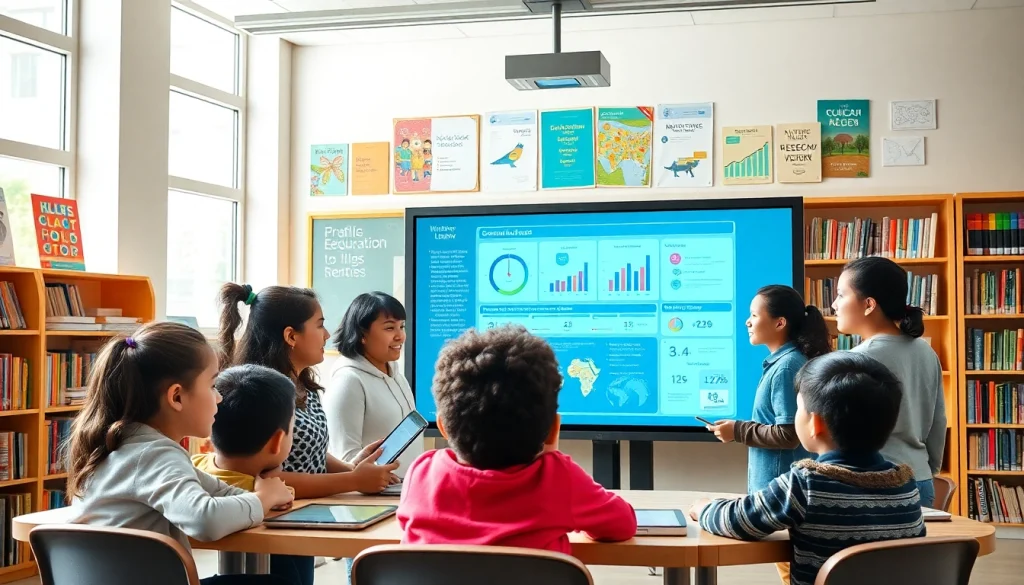
Understanding the Concept of Education in the 21st Century
In the dynamic landscape of the 21st century, the concept of education has evolved significantly beyond the mere transfer of knowledge. Today, education encompasses a broader framework aimed at fostering critical thinking, collaboration, and adaptability among learners. As we navigate an increasingly complex world, the definition of education expands to include the development of skills that are essential for success in both personal and professional realms.
Defining Education: More than Just Knowledge Transfer
Traditionally, education was primarily viewed as the acquisition of knowledge through formal instruction. However, contemporary understandings highlight that education is a multifaceted process involving the development of competencies such as problem-solving, creativity, and emotional intelligence. The goal is not only to impart information but to equip learners with the tools they need to thrive in a rapidly changing environment.
For instance, education systems now emphasize the importance of critical thinking skills, allowing students to analyze information critically and make informed decisions. This shift necessitates a rethinking of curricula, moving away from rote memorization towards more engaging, student-centered approaches that promote deeper learning.
The Role of Technology in Modern Education
Technology plays a pivotal role in reshaping education. The integration of digital tools and resources has transformed how educators teach and students learn. Online platforms and educational apps provide students with access to diverse learning materials, enabling personalized learning experiences that cater to individual needs and learning styles.
Moreover, technology facilitates collaboration among students, allowing them to work together across geographic boundaries. The rise of online learning environments, such as virtual classrooms and MOOCs (Massive Open Online Courses), has made education more accessible, breaking down barriers that traditionally hindered learning.
Education Equity: Bridging the Gap
One of the most critical challenges in the education sector today is ensuring equity. Education equity involves providing all students with fair access to quality education, regardless of their backgrounds. Factors such as socioeconomic status, race, and geographic location can significantly influence educational opportunities and outcomes.
Addressing these disparities requires a commitment to reform and innovation in educational policies and practices. Efforts to enhance education equity must focus on providing additional support to under-resourced schools, investing in teacher training, and implementing targeted programs that meet the specific needs of marginalized populations.
Best Practices in Educational Reform
Effective educational reform is essential for creating systems that support all learners. Understanding successful strategies can guide stakeholders as they navigate the complexities of change in education.
Strategies for Effective Educational Change
To initiate meaningful change in education, leaders must adopt a comprehensive approach that incorporates various strategies. Key components of effective educational reform include:
- Stakeholder Engagement: Engaging teachers, parents, students, and community members in the decision-making process fosters a sense of ownership and collaboration.
- Data-Driven Decision Making: Utilizing data to inform policy changes and instructional practices ensures that reforms are rooted in evidence and tailored to the needs of learners.
- Professional Development: Ongoing training and support for educators are vital in equipping them with the skills required to implement new approaches effectively.
- Resource Allocation: Ensuring equitable access to resources, such as technology and learning materials, is crucial in leveling the playing field for all students.
Case Studies in Successful Education Reform
Examining successful case studies provides valuable insights into effective educational reform strategies. For instance, schools that have implemented project-based learning models have seen increased student engagement and improved academic outcomes. These models encourage students to explore real-world problems, fostering critical thinking and collaboration.
Another success story can be seen in schools that have adopted personalized learning approaches. By tailoring instruction to individual learners’ needs, these schools have demonstrated that students can achieve higher levels of success when they feel supported and understood within the educational system.
Barriers to Implementing Change in Schools
While the need for educational reform is clear, several barriers can hinder the implementation of new strategies. Resistance to change among educators and administrators, insufficient funding, and lack of training can all impede progress. Overcoming these challenges requires a concerted effort from all stakeholders to advocate for necessary changes and to embrace new methodologies that enhance learning experiences.
Innovative Approaches to Learning and Teaching
The landscape of education is continuously evolving, and innovative approaches are essential for meeting the diverse needs of 21st-century learners. Emerging pedagogical models play a crucial role in transforming traditional teaching practices.
Project-Based Learning: Engaging Students in Real-World Problems
Project-based learning (PBL) immerses students in real-world challenges, encouraging them to work collaboratively to find solutions. This hands-on approach fosters creativity and critical thinking, allowing students to apply their knowledge in meaningful ways. For example, students might work on a project to design a sustainable community garden, integrating science, mathematics, and environmental studies.
The Flipped Classroom Model: Redefining Homework and Class Time
The flipped classroom model reimagines the traditional educational structure by reversing the roles of in-class and out-of-class learning. In this model, students engage with new material at home through videos and other resources, while in-class time is dedicated to collaborative discussions, problem-solving, and application of knowledge. This approach encourages active learning and allows educators to provide personalized support to students during class.
Customized Learning Plans: Meeting Individual Needs
Every student learns differently, and customized learning plans are an effective way to address diverse needs. By tailoring curricula to individual strengths, weaknesses, interests, and learning styles, educators can enhance student engagement and promote academic success. This personalized approach not only empowers students but also fosters a sense of ownership over their learning journey.
Measuring Success in Educational Systems
To ensure continuous improvement, educational systems must adopt robust methods for measuring success. Effective evaluation processes provide insights into the impact of reforms and help identify areas for further development.
Key Performance Indicators for Schools
Establishing key performance indicators (KPIs) is crucial for measuring educational success. KPIs may include graduation rates, student attendance, standardized test scores, and post-secondary enrollment rates. By tracking these metrics, schools can evaluate the effectiveness of their programs and make informed decisions about necessary changes.
Assessing Student Engagement and Outcomes
Student engagement is a critical factor influencing academic achievement. Schools must implement strategies for assessing engagement levels, such as surveys and observation tools, to gauge students’ interests and participation in learning. By understanding engagement patterns, educators can adjust their teaching practices to better meet students’ needs and foster a more positive learning environment.
Feedback Mechanisms for Continuous Improvement
Regular feedback from students, parents, and educators is vital for refining educational practices. Utilizing mechanisms such as focus groups, surveys, and performance reviews fosters open communication and encourages collaboration among all stakeholders. This feedback loop allows for continuous improvement and adaptation of educational strategies to meet evolving needs.
The Future of Education: Trends and Predictions for 2026
As we look ahead, it is essential to consider emerging trends that will shape the future of education. Understanding these developments can guide educational leaders and policymakers in their decision-making processes.
Predictions on Educational Technology Advancements
In the coming years, advancements in educational technology will continue to transform learning experiences. Innovations such as artificial intelligence and virtual reality are expected to play significant roles in personalized learning, making education more immersive and tailored to individual needs. These technologies can facilitate deeper engagement and provide unique opportunities for experiential learning.
The Impact of Global Events on Educational Systems
Global events, such as pandemics and economic shifts, have profound implications for education. The COVID-19 pandemic, for example, accelerated the adoption of online learning and highlighted the importance of digital equity. Moving forward, educational systems must prioritize resilience and adaptability to effectively respond to unforeseen challenges.
Emerging Trends in Student-Centric Learning
The shift toward student-centric learning will continue to gain momentum. In this model, students are empowered to take charge of their educational journeys, promoting a sense of agency and motivation. As educational systems move toward more inclusive and personalized approaches, students will benefit from tailored learning experiences that recognize their individuality and potential.