
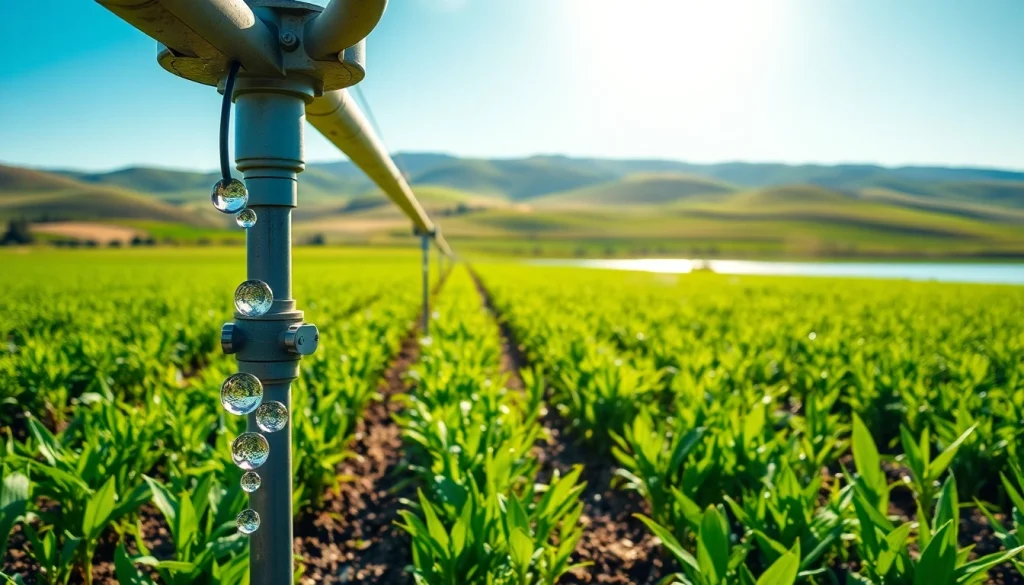
Understanding Land Irrigation: Basics and Importance
The Concept of Land Irrigation
Land irrigation refers to the artificial application of water to soil or land to assist in the growing of agricultural crops, maintaining landscapes, and revegetating disturbed soils. Traditionally, irrigation has been the backbone of agriculture, enabling the cultivation of crops in areas where natural water sources are inadequate. By controlling the amount and timing of water supplied to crops, farmers can enhance productivity and food security. Effective land irrigation is essential for optimizing plant growth, enhancing soil moisture, and promoting sustainable agricultural practices.
Why Land Irrigation Matters for Agriculture
The significance of land irrigation in agriculture cannot be overstated. Agricultural productivity heavily depends on precise water management. In areas subject to droughts or irregular rainfall patterns, irrigation ensures consistent water availability, leading to higher crop yields. Furthermore, efficient irrigation systems help in the conservation of water resources and improve soil fertility by preventing salinization and promoting healthy microbial activity. Ultimately, land irrigation serves as a strategic response to global food insecurity and climate change, allowing farmers to cultivate diverse crops and increase their incomes.
Common Types of Land Irrigation Methods
Farmers employ various irrigation methods based on water availability, crop type, and climate conditions. The most common types include:
- Surface Irrigation: Water flows over the soil surface and is infiltrated into the root zone. This method is simple and cost-effective but may lead to water wastage if not managed properly.
- Drip Irrigation: Water is delivered directly to the plant roots through a network of tubing and emitters, ensuring minimal evaporation and runoff. This method is extremely efficient but requires higher initial investment.
- Sprinkler Irrigation: Water is sprayed over the crops using pumps and pipes, mimicking natural rainfall. This method allows for better control over the water application rate.
- Subsurface Irrigation: Similar to drip irrigation but installed below the soil surface. It prevents water evaporation while promoting efficient water use in deeper root zones.
Implementing Land Irrigation Systems
Assessing Water Resources for Land Irrigation
Assessing available water resources is crucial prior to implementing any land irrigation system. This includes evaluating surface water sources such as rivers and lakes, as well as groundwater resources. Farmers should conduct hydrological studies to determine water availability, seasonal variations, and long-term sustainability. In addition, understanding local regulations and obtaining necessary water rights is essential to ensure legal and responsible usage.
Choosing the Right Irrigation Technique
Choosing the appropriate irrigation technique depends on several factors, including soil type, crop requirements, water availability, and economic constraints. A thorough analysis of these factors, complemented by expert advice and field trials, will lead to a well-informed decision. Depending on the farming context, a combination of methods may be beneficial; for example, integrating drip irrigation in high-value crops while utilizing surface irrigation for staple grains can optimize overall resource utilization.
Land Preparation for Optimal Irrigation
Proper land preparation is critical for maximizing irrigation efficiency. This includes land leveling, which ensures even water distribution, and the installation of drainage systems to prevent waterlogging. Soil testing should also be conducted to identify nutrient deficiencies and assess organic matter levels. Additionally, employing cover crops and engaging in crop rotation can enhance soil health, making it more suitable for irrigation.
Improving Efficiency in Land Irrigation
Water Conservation Techniques in Land Irrigation
Water conservation techniques are paramount for sustainable irrigation practices. This includes the adoption of practices such as soil moisture monitoring technologies that provide timely information on water needs. Farmers can also employ crop scheduling and irrigation timing based on weather forecasts to reduce unnecessary water usage. The use of mulch and cover crops can reduce evaporation rates, conserving soil moisture and promoting crop health.
Modern Technologies Enhancing Irrigation Efficiency
Technological advancements have revolutionized land irrigation efficiency. Technologies such as automated irrigation systems equipped with sensors can provide precise water application based on real-time weather data and soil moisture conditions. Advanced software tools for irrigation management assist farmers in planning, monitoring, and optimizing water use while reducing operational costs. Moreover, precision agriculture techniques integrate GPS and satellite imagery, allowing for targeted irrigation that meets the specific needs of each field section.
Monitoring and Adjusting Irrigation Practices
Regular monitoring and adjustment of irrigation practices are vital for long-term success. Farmers should establish a schedule for inspecting irrigation equipment and the effectiveness of water distribution. Keeping detailed records of irrigation events and crop performance can identify patterns, helping to make data-driven adjustments. Training and engaging staff in best practices will ensure that the system runs efficiently and effectively contributes to the overall goals of irrigation management.
Challenges in Land Irrigation Management
Common Issues Faced in Land Irrigation
Land irrigation, while essential, poses various challenges that farmers must navigate. Common issues include water scarcity due to over-extraction from natural sources, inefficiencies in irrigation systems leading to water waste, and difficulties in maintaining system infrastructure. Additionally, varying climatic conditions can impact irrigation schedules, resulting in either excess moisture or drought stress. Awareness and proactive management strategies can mitigate these challenges to a significant extent.
Dealing with Soil Salinity and Water Quality
Soil salinity and poor water quality are persistent challenges affecting land irrigation. High salinity can impede plant growth, while contaminated water sources can introduce pathogens or harmful salts into the soil. Farmers can adopt leaching techniques, which involve applying excess water to wash away salinity before planting. Investing in soil amendments and choosing salt-tolerant crop varieties can also enhance resilience against salinity issues, ensuring healthy plant growth.
Maintenance Tips for Land Irrigation Systems
A well-maintained irrigation system can significantly improve agricultural productivity. Regularly scheduled maintenance checks can help identify leaks or damaged components in the system. Cleaning filters and emitters in drip irrigation systems prevents blockages and optimizes water flow. Furthermore, farmers should familiarize themselves with common troubleshooting techniques for immediate problem resolution. Keeping detailed records of maintenance activities also aids in planning future actions and ensuring system longevity.
Future Trends in Land Irrigation
Innovations Shaping the Future of Land Irrigation
The future of land irrigation is being shaped by continuous innovations aimed at efficiency and sustainability. Emerging technologies are focused on irrigation automation, utilizing AI and machine learning to draw insights from historical data. Innovations like smart irrigation controllers that adapt to changing weather patterns and soil conditions will further revolutionize water management. Drones equipped with imaging technology may soon conduct field assessments, providing actionable insights into crop health and irrigation needs.
Sustainable Practices in Land Irrigation Management
Sustainable practices in land irrigation aim to preserve water resources while maximizing agricultural output. Implementing integrated water management strategies that combine traditional practices with modern technology is crucial. Farmers are increasingly embracing practices such as rainwater harvesting, water recycling, and the use of treated wastewater as supplementary sources of irrigation. These sustainable measures will not only safeguard water supplies for future generations but also contribute positively to the environment.
Global Perspectives on Land Irrigation Developments
As water scarcity becomes a global concern, differing regions are adopting various strategies to enhance their land irrigation practices. In developed nations, investment in high-tech solutions such as sensor-based systems is prevalent, while developing countries may focus more on capacity-building initiatives to improve traditional irrigation methods. International collaborations and knowledge sharing will play a vital role in addressing water challenges across the globe, contributing to the resilience of agricultural systems.
Frequently Asked Questions
1. What is the most efficient irrigation method?
Drip irrigation is often considered the most efficient method, as it delivers water directly to the root zone, minimizing evaporation and runoff.
2. How does irrigation affect soil health?
Proper irrigation maintains adequate soil moisture, supports microbial activity, and prevents salinity, contributing to better soil health and fertility.
3. Can irrigation systems be automated?
Yes, modern irrigation systems can be fully automated, utilizing sensors and weather data to optimize water application schedules.
4. What are the challenges of irrigation?
Common challenges include water shortages, the inefficiency of systems, soil salinity, and regular maintenance requirements.
5. How can I improve my irrigation efficiency?
You can improve efficiency by monitoring soil moisture, automating systems, and adopting water conservation techniques like mulching.