
Understanding Rainpoint Irrigation Controllers
Modern gardening requires a level of efficiency and sustainability that traditional watering methods often fail to provide. Enter rainpoint Irrigation Controllers, a line of advanced devices designed to revolutionize how homeowners approach irrigation. By integrating smart technology with water management practices, RainPoint offers products that not only save water but also promote healthier plant growth and simplify maintenance tasks. In this article, we will delve into what RainPoint irrigation controllers are, their key features, benefits, and how they can transform your gardening experience.
What Are Rainpoint Irrigation Controllers?
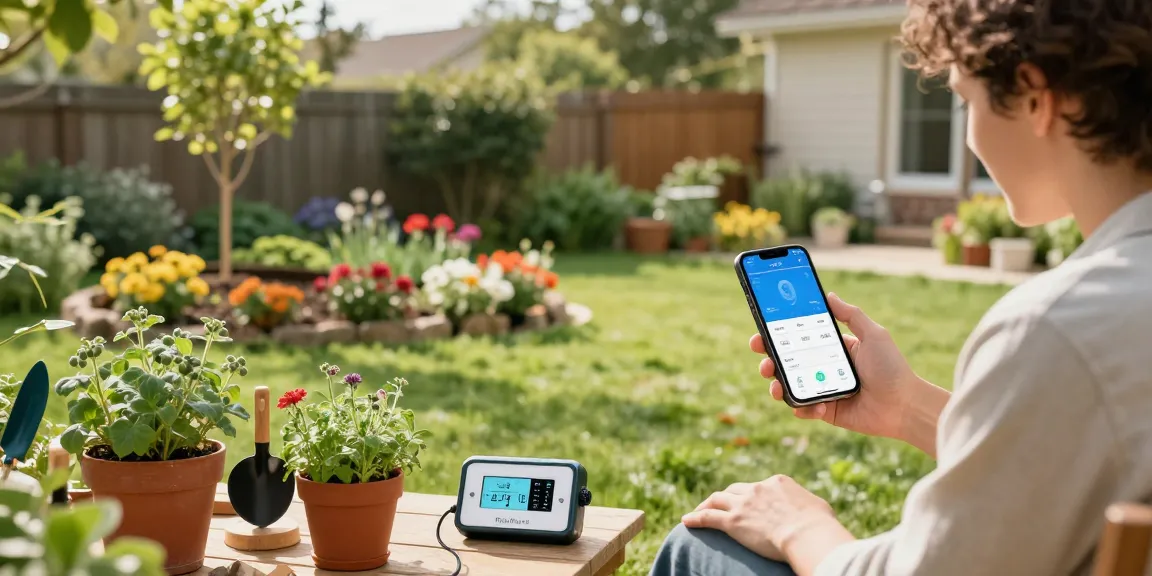
Rainpoint irrigation controllers are smart gardening tools that automate the watering process for various types of plants, gardens, and landscapes. They connect to Wi-Fi and can be controlled via a mobile app, allowing users to monitor and adjust their watering schedules remotely. This technology caters not only to seasoned gardeners but also to those who may struggle with consistent plant care. The ability to automate irrigation based on real-time data, such as moisture levels and weather conditions, reduces water waste and ensures plants receive optimal hydration.
Key Features of Rainpoint Products
- Wi-Fi Connectivity: Allows for remote monitoring and control via smartphone applications.
- Soil Moisture Sensors: Detects moisture levels in the soil, preventing overwatering.
- Customizable Schedules: Users can set precise watering times, durations, and frequency to fit their specific plant needs.
- Seasonal Adjustments: Automatically modifies schedules based on seasonal changes and weather forecasts.
- User-Friendly Interface: Easy setup and configuration, suitable for both experienced and novice gardeners.
Benefits of Smart Irrigation for Homeowners
The advantages of using Rainpoint irrigation controllers extend beyond just convenience. Here are some key benefits:
- Water Conservation: Smart sensors ensure that water is only delivered when necessary, significantly reducing water usage.
- Time Savings: Automating watering schedules saves gardeners the hassle of daily maintenance.
- Enhanced Plant Health: Consistent and adequate watering leads to healthier plants that thrive.
- Cost Efficiency: Reduced water bills due to optimized water usage can lead to significant savings over time.
Setting Up Your Rainpoint System
Installing your Rainpoint system doesn’t have to be daunting. With clear instructions and user-friendly design, setting up your irrigation controller is a straightforward process. Here’s how to get started.
Step-by-Step Installation Guide
- Unbox the Rainpoint irrigation controller and ensure all components are present.
- Follow the manufacturer’s instructions to mount the device in a suitable location, ideally close to a water source.
- Connect the hoses to the timer, ensuring secure fittings to prevent leaks.
- Install soil moisture sensors in designated areas of your garden as per the recommendations.
- Power on the device and begin the initial setup using the mobile app.
Connecting Your Controller to Wi-Fi
To fully utilize the smart features of your Rainpoint controller, connecting it to your Wi-Fi network is essential. Here’s how:
- Download the Rainpoint app from your device’s app store.
- Create an account or log into an existing one.
- Follow the app’s prompt to connect your irrigation controller to your Wi-Fi network.
- Ensure the controller is within range of your Wi-Fi signal and troubleshoot any connectivity issues as needed.
Configuring Watering Schedules for Optimal Performance
Once your controller is connected, you can create customized watering schedules. Utilize the app to set specific days, times, and durations for watering to ensure your plants are adequately hydrated without excess.
Maximizing Water Efficiency
Water efficiency is a core principle of sustainable gardening. By understanding how your plants use water, you can make adjustments that benefit both them and your water bill.
Understanding Soil Moisture Levels
Soil moisture sensors play a critical role in determining when to water. By monitoring moisture levels, the Rainpoint irrigation controllers can prevent overwatering and ensure plants are only watered when necessary.
Scheduling for Seasonal Changes
Adjusting your watering schedule according to seasonal changes is essential. For example, during hotter months, your plants may require more frequent watering while cooler months may necessitate less. The Rainpoint system can automatically adjust for these changes, making your gardening practice more efficient.
Bonus Tips for Reducing Water Waste
- Use Rain Barrels: Collect rainwater to supplement your irrigation needs.
- Mulch Your Garden: Mulching helps retain soil moisture and reduces evaporation.
- Group Plants Wisely: Cluster plants with similar watering needs together to optimize irrigation.
Customer Experiences and Testimonials
Real-world experiences from Rainpoint users showcase the system’s advantages and its impact on gardening practices.
Success Stories from Rainpoint Users
Many customers report extensive time savings and improved plant health since integrating Rainpoint controllers into their gardening routines. Users frequently share how the system has transformed their approach to watering and plant care.
Learning from Challenges: Common Setup Issues
Even with user-friendly products, challenges can arise. Common issues include difficulty connecting to Wi-Fi or troubleshooting sensor placement. RainPoint offers comprehensive support to help users resolve any issues promptly.
How Rainpoint Has Transformed Gardening Practices
Feedback indicates that Rainpoint controllers have transformed not only individual gardens but also broader gardening practices. By promoting efficiency and sustainability, users feel more confident in their gardening skills and plant care.
Future Trends in Smart Irrigation Technologies
The gardening landscape is evolving, and so is the technology behind smart irrigation systems.
Innovative Features Expected by 2026
As technology advances, we can expect Rainpoint to introduce features such as AI-driven insights for optimal watering schedules based on historical data or enhanced integration with other smart home devices.
Integration with Other Smart Home Devices
In the future, smart irrigation controllers may integrate seamlessly with home automation systems, allowing for holistic management of home and garden environments. This will simplify lifestyle choices for homeowners looking to reduce their carbon footprint.
Environmental Impact of Smart Irrigation Solutions
The shift towards smart irrigation not only benefits homeowners but also contributes to environmental sustainability. By optimizing water usage, these systems help conserve one of our most precious resources.
What are the advantages of using Rainpoint Irrigation Controllers?
Rainpoint irrigation controllers provide a multitude of advantages, including automated watering, reduced water waste, and improved plant health, making them indispensable tools for modern gardeners.
How easy is it to set up the Rainpoint system?
The Rainpoint system is designed for ease of use, with step-by-step instructions and an intuitive app interface that makes installation straightforward for any user.
Can I monitor my irrigation remotely?
Yes, with the Rainpoint app, users can monitor and adjust their irrigation schedules from anywhere, providing ultimate flexibility in garden management.
What types of plants benefit most from smart irrigation?
Smart irrigation is beneficial for all types of plants, but particularly for those with specific moisture needs, such as vegetables, flowers, and new saplings that require consistent care.
How does Rainpoint contribute to water conservation?
By utilizing real-time data and moisture sensors, Rainpoint systems ensure that water is only used when necessary, significantly reducing water waste in gardens and landscapes.