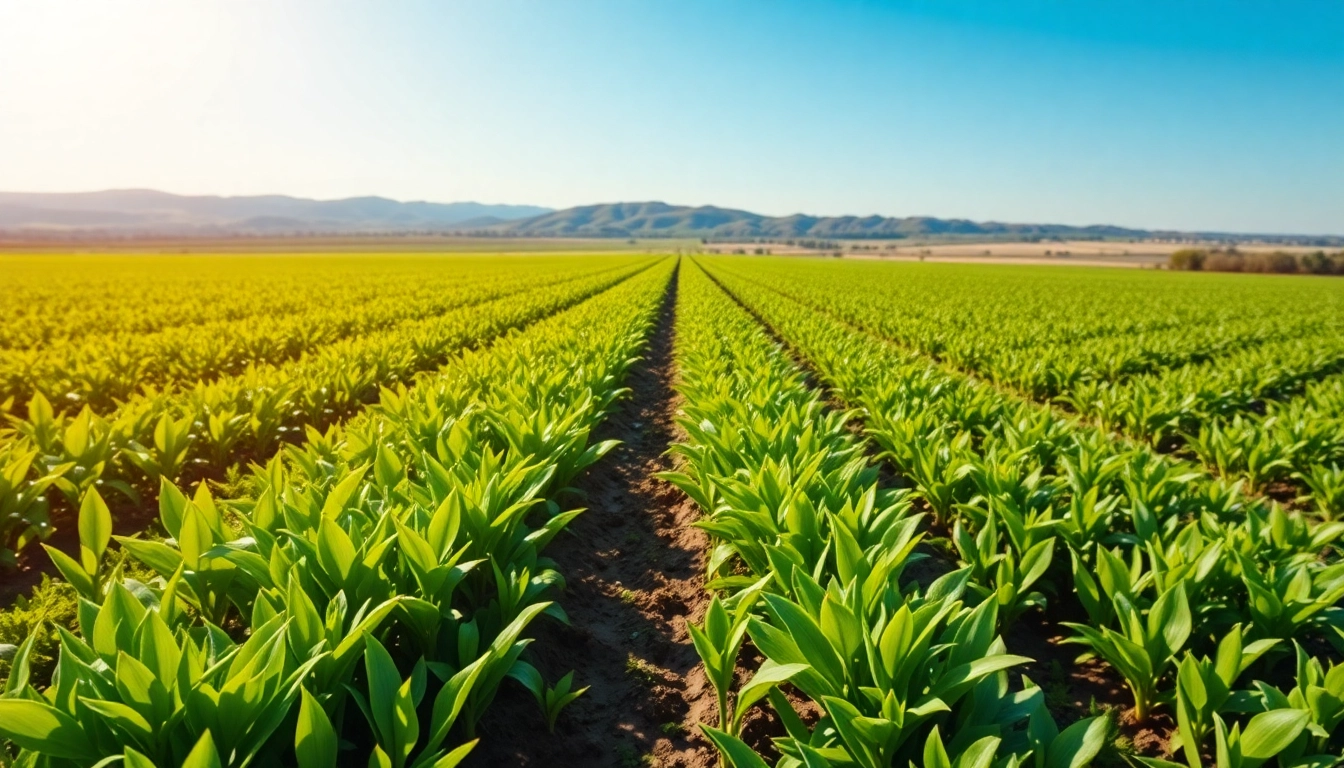
Understanding Land Irrigation
Definition and Importance of Land Irrigation
Land irrigation refers to the deliberate application of water to soil or land to aid in the growth of crops. It is a critical agricultural practice, especially in regions where rainfall is insufficient to support crops naturally. Through land irrigation, farmers can enhance crop yields, improve food security, and sustain agricultural ecosystems. The importance of land irrigation is underscored by the fact that it supports nearly 40% of the world’s food supply on merely 20% of the cultivated land area. As global populations grow and climate change impacts rainfall patterns, effective irrigation techniques become imperative for sustainable agriculture.
The Role of Water in Crop Growth
Water plays an essential role in crop growth, influencing photosynthesis, nutrient transport, and overall plant health. When crops receive adequate moisture, they can absorb nutrients from the soil more effectively. Conversely, insufficient water can lead to stress, reducing yield and quality. Water is not only needed for germination and growth but also for the development of various plant parts, including roots, stems, and leaves. Moreover, water aids in keeping the temperature of the soil regulated and affects microbial activity crucial for soil health.
Types of Land Irrigation Methods
Understanding different irrigation methods is crucial for effective water management in agriculture. The main types include:
- Surface Irrigation: Water is applied directly to the soil surface, allowing it to infiltrate into the root zone. This method is affordable and commonly used but can be less efficient due to evaporation and runoff.
- Drip Irrigation: Water is delivered directly to the base of the plant through a network of tubes and emitters. This technique minimizes water wastage and is highly efficient, ensuring crops receive consistent moisture.
- Sprinkler Irrigation: This method simulates rainfall by distributing water through pipes and spraying it over the soil. It is suitable for various terrains and crops but requires capital investment.
- Subsurface Irrigation: Similar to drip irrigation, this system is located below the soil surface, delivering water directly to the root zone and reducing evaporation.
- Flood Irrigation: Water floods the entire field and is primarily used in flat areas. This traditional method can lead to waterlogging and soil loss if not managed properly.
Common Challenges in Land Irrigation
Water Scarcity Issues
Water scarcity is a pressing issue worldwide and significantly affects land irrigation practices. Increased demand for water from agricultural, industrial, and residential sectors has led to over-extraction from freshwater sources. As climate change continues to alter precipitation patterns and increase evaporation rates, the challenge of managing limited water resources becomes more complex. Farmers must adopt sustainable practices to maximize the efficiency of available water, such as implementing rainwater harvesting techniques or adopting drought-resistant crop varieties to cope with water scarcity.
Soil Erosion and Management
Soil erosion, a consequence of water runoff and poor land management, can undermine irrigation efforts, leading to decreased soil fertility and productivity. Erosion not only damages the land but also contributes to sedimentation in water bodies, affecting water quality. Effective soil management practices include planting cover crops, employing contour plowing, and maintaining soil cover to protect against erosion. Additionally, systems that promote organic matter incorporation into the soil can enhance its structure and resistance to erosion.
Cost Implications of Irrigation Systems
Implementing an efficient irrigation system can entail significant initial investment costs, including infrastructure development and maintenance. While modern methods such as drip irrigation and sprinkler systems can reduce water usage and improve crop yields, the upfront expenses may deter some farmers, particularly those in developing regions. Therefore, developing financial models that include subsidies, grants, and low-interest loans can encourage investment in modern irrigation technologies, ensuring long-term sustainability.
Best Practices for Efficient Land Irrigation
Developing a Tailored Irrigation Plan
A tailored irrigation plan is vital for maximizing efficiency and crop productivity. This plan should include water needs assessment, soil moisture monitoring, and a schedule for irrigation implementation based on climatic conditions and crop requirements. By considering factors such as the type of crop, soil properties, and available water sources, farmers can create a more targeted approach that conservatively utilizes water resources.
Utilizing Technology and Automation
Advancements in technology have made it possible to automate irrigation processes significantly. Devices such as soil moisture sensors, automatic timers, and irrigation management systems can enhance precision in water application, leading to notable savings in water usage and labor costs. Moreover, the use of data analytics can provide insights that help optimize irrigation scheduling and enhance crop management practices.
Monitoring and Adapting Irrigation Strategies
Continuous monitoring of irrigation outcomes is crucial to determine effectiveness and make necessary adjustments. Farmers should utilize tools to track soil moisture levels, crop health indicators, and weather forecasts. Adaptability ensures that irrigation strategies respond to changing conditions, such as varying rainfall patterns, thus preserving water quality and promoting sustainability.
Success Stories in Land Irrigation Implementation
Innovative Techniques from Various Regions
Across the globe, various regions have embraced innovative land irrigation techniques that enhance water efficiency and crop yields. For instance, in the arid regions of Israel, farmers utilize advanced drip irrigation systems that minimize water waste while effectively irrigating crops. Similarly, farmers in India have adopted rainwater harvesting methods to collect and utilize runoff during monsoon seasons, significantly improving water availability during dry months.
Case Studies of Crop Yield Improvements
There are numerous documented cases where the implementation of smart irrigation systems has led to dramatic crop yield improvements. One notable example is a study in California, where the transition from flood to drip irrigation led to a 30% increase in tomato production while achieving a 40% reduction in water usage. Such results underscore the potential benefits of modernizing irrigation practices for enhanced productivity.
Lessons Learned from Effective Irrigation Practices
Implementing effective irrigation practices does not solely involve technology but also emphasizes community engagement and education. The importance of training farmers on water management techniques and the sustainable use of technology has been demonstrated through various agricultural projects. These initiatives have successfully integrated local knowledge with innovative practices, leading to improved resilience against climate variability and sustained agricultural productivity.
Measuring the Impact of Land Irrigation
Key Performance Indicators in Agriculture
Measuring the impact of land irrigation requires the establishment of key performance indicators (KPIs) that gauge efficiency, productivity, and sustainability. Common KPIs include crop yield per hectare, water use efficiency, nutrient uptake rates, and soil health metrics. By regularly assessing these indicators, farmers can evaluate their irrigation strategies’ effectiveness and make informed decisions for future improvements.
Environmental Benefits of Optimal Irrigation
Implementing efficient irrigation practices has broader environmental benefits, including the preservation of local ecosystems and the reduction of salinization in soils. When irrigation is applied judiciously, it minimizes water wastage and enhances the natural hydrological cycle. This approach helps maintain the health of local water bodies and contributes positively to biodiversity conservation.
Future Trends in Land Irrigation Technologies
The future of land irrigation is poised for transformation through advancements in technology such as IoT, remote sensing, and precision farming. Technologies that harness big data and AI will enable farmers to make even more informed decisions, optimize water usage, and adapt to climate-induced challenges effectively. As innovation continues to unfold, the potential for sustainable and efficient land irrigation practices grows, paving the way for secure food production in future generations.
FAQs about Land Irrigation
What is land irrigation?
Land irrigation is the process of applying water to soil or crops to stimulate growth and ensure optimal yield, especially in areas with inadequate rainfall.
What are the benefits of using drip irrigation?
Drip irrigation reduces water waste by delivering water directly to plant roots, improving efficiency, and promoting healthier crops and higher yields.
How can climate change impact irrigation?
Climate change alters rainfall patterns and increases evaporation rates, posing challenges to water availability for irrigation, making efficient practices more crucial.
What are the common challenges in land irrigation?
Challenges include water scarcity, soil erosion, technology costs, and the need for effective management systems to optimize water use.
What future technologies are emerging for land irrigation?
Emerging technologies include IoT devices for real-time monitoring, automated systems, and AI-driven analytics for optimized irrigation planning and execution.