Understanding the Importance of Track Inspection
Effective rail transport is central to modern infrastructure, necessitating rigorous Track Inspection to ensure safety and efficiency. This inspection process helps identify and rectify potential issues before they result in accidents or costly service disruptions. Understanding its significance unlocks the path to safer rail systems and more reliable transportation services.
Why Track Inspection is Crucial for Rail Safety
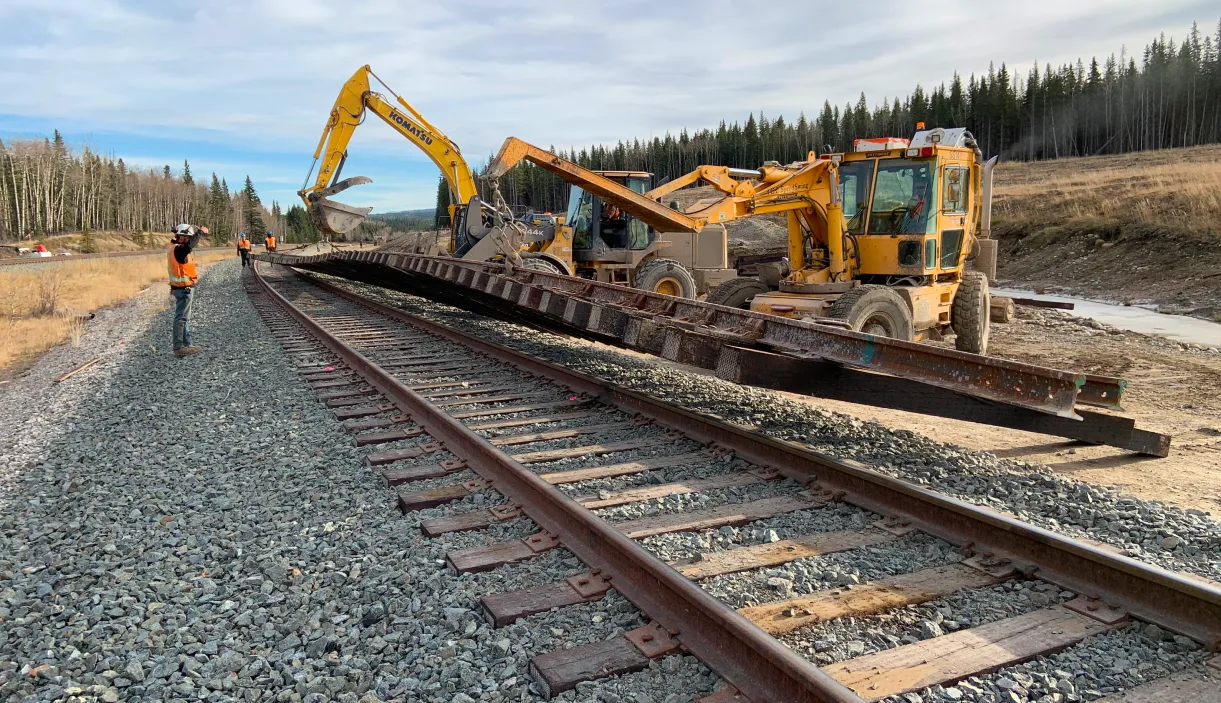
Track Inspection is fundamental for maintaining the safety and reliability of rail networks. Rail transport involves heavy loads and high speeds, where even a minor defect in the track can lead to catastrophic failures. Regular inspections ensure that the tracks remain in optimal condition, preventing derailments and other safety hazards. Additionally, consistent inspections contribute to timely maintenance, extend the life of railway assets, and reduce operational costs associated with accidents and repairs.
Historical Context of Track Inspection Practices
The origins of track inspection can be traced back to the early days of railroads when manual inspections were performed by workers who walked the tracks and visually assessed their condition. Over time, as rail networks expanded and technology progressed, more sophisticated methods came into use. The introduction of mechanical inspection tools in the 20th century transformed the practice, leading to greater accuracy, efficiency, and safety.
The evolution of inspection practices has been influenced by historical accidents, legislative actions, and advancements in technology. For instance, the introduction of stricter regulations following serious rail accidents led to more frequent and rigorous inspection regimes. This historical context underscores the necessity for continual adaptation and improvement in inspection methods to safeguard both the public and the rail industry.
Key Regulations Governing Track Inspection
Track inspection is governed by multiple regulations designed to uphold safety standards. In many jurisdictions, agencies set rules that define the frequency and methods of inspection. These regulations often stem from national transportation safety boards that assess risks and implement changes to mitigate them. Compliance with these regulations not only protects passengers but also protects the environment by minimizing the risks associated with rail transportation.
Staying aware of these regulations is vital for rail companies, as failure to comply can result in significant consequences, including fines, legal repercussions, and loss of public trust. Therefore, a thorough understanding of the regulatory landscape is essential for all stakeholders involved in rail maintenance.
Types of Track Inspection Methods
Visual Inspection Techniques for Track Integrity
Visual inspections are the most fundamental method of track inspection, involving trained personnel examining the track for visible defects. This technique encompasses checks for track alignment, wear, and the condition of ties and ballast. Inspectors often utilize tools such as gauges, measuring tapes, and visual markers to assist in their evaluations.
Despite its simplicity, visual inspection is crucial because many defects are initially apparent only through careful observation. Regular visual assessments help catch early warning signs of more serious issues, allowing for preventive measures to be taken.
Ultrasonic Testing for Subsurface Issues
Ultrasonic testing is a non-destructive testing method that investigates potential subsurface defects within the rail. This technique uses high-frequency sound waves that penetrate the metal and reflect back, providing a profile of the internal structure. Ultrasonic testing is vital for identifying faults that could lead to rail breaks, particularly in sections of the track that are not easily visible.
Given its ability to detect hidden flaws, ultrasonic testing complements visual inspections effectively. It allows rail companies to make informed maintenance decisions, ensuring that any subsurface issues are addressed before they escalate into serious problems.
Use of Drones in Track Inspection
The adoption of drone technology has transformed how track inspections are conducted, offering a comprehensive aerial view that manual inspections cannot provide. Drones outfitted with high-resolution cameras and sensors allow for rapid assessments along extensive stretches of track, significantly reducing the time and labor involved in traditional inspection methods.
In addition to visual data, drones can leverage thermal imaging technology to identify heat anomalies that may indicate electrical issues in overhead systems. This innovative method enhances the accuracy and efficiency of track inspections, marking a significant shift toward modernizing rail maintenance practices.
Best Practices for Conducting Track Inspections
Creating a Comprehensive Inspection Schedule
A well-structured inspection schedule is crucial for maintaining rail integrity. Rail networks should develop a routine inspection timetable that balances thoroughness with operational demands. Factors such as traffic patterns, seasonal weather conditions, and the inspection type should influence this schedule.
Flexibility is also a key component, as the inspection schedule should adapt to call for more frequent inspections during peak operational periods or after adverse weather events. Consistency in inspection intervals ensures that potential issues are caught early, helping maintain overall safety.
Essential Equipment for Effective Track Inspection
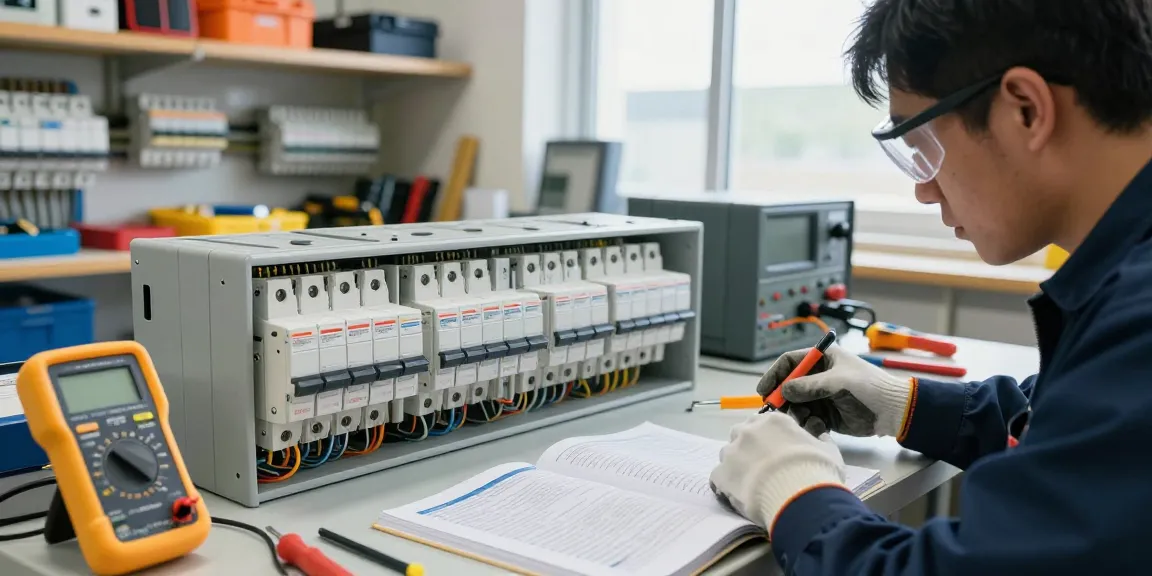
Effective track inspections rely on specialized equipment tailored for various inspection methods. Essential tools include measuring devices, ultrasonic testing equipment, visual inspection kits, and, increasingly, drone technology. The choice of equipment should align with the specific objectives of the inspection and the types of defects targeted.
Investing in the latest technology can yield significant returns by improving inspection accuracy and reducing maintenance costs. Regular assessments and calibrations of the equipment used are necessary to ensure they remain effective and precise.
Training and Certifying Inspection Personnel
The competence of inspection personnel is integral to the success of any track inspection program. Comprehensive training programs should be established to ensure that personnel are proficient in using inspection equipment, understanding regulatory requirements, and identifying potential defects. Certifications should be administered to validate their skills and knowledge regularly.
Continuous education on new technologies and methods is equally important as it helps personnel stay current with industry advancements and best practices.
Common Challenges in Track Inspection
Dealing with Weather-Related Inspection Delays
Weather conditions can significantly disrupt track inspections. Heavy rains, snow, and extreme temperatures may hinder visibility and impact the safety of inspectors. To mitigate these challenges, rail companies should develop alternative inspection plans that factor in weather forecasts and seasonal variations.
For instance, when adverse weather is expected, companies might increase the frequency of inspections prior to the onset of storms or utilize drone technology to conduct assessments in otherwise unsafe conditions.
Identifying Hidden Defects in Track Structures
Hidden defects present a persistent challenge in track inspection. Many structural issues manifest deep within the rail and may elude traditional visual inspections. Employing advanced techniques, such as ultrasonic testing and other non-destructive methods, greatly enhances the ability to detect these concealed threats before they result in failures.
Maintaining an updated database of past inspection results and defect occurrences allows for predictive analysis, helping inspectors focus on areas where hidden defects have previously been found.
Mitigating Myths Surrounding Track Inspection
Misunderstandings about track inspection practices can lead to complacency, both in perception and practice. Common myths, such as assuming visual inspections alone are sufficient for maintaining track safety, can result in overlooked issues. Education and awareness campaigns within the industry can mitigate these misconceptions, ensuring all stakeholders understand the importance of comprehensive inspection regimes.
Regular training sessions that highlight the full spectrum of track inspection methods and their importance can reinforce the value of adopting multi-faceted approaches to safety.
Measuring the Effectiveness of Track Inspection
Key Performance Indicators for Track Safety
To measure the effectiveness of track inspections, rail authorities should establish key performance indicators (KPIs). KPIs such as the number of defects found per inspection, the average time to resolve identified issues, and rates of accidents related to track integrity provide valuable insights into inspection efficacy.
Monitoring KPIs helps assess the success of current inspection methods, driving continuous improvement and enabling proactive safety management. Such metrics assist rail operators in making informed decisions to enhance their inspection protocols.
Feedback Mechanisms for Continuous Improvement
Implementing feedback mechanisms creates a culture of continuous improvement in track inspection practices. Collecting insights from inspection personnel, maintenance teams, and engineering experts allows for identifying areas in need of enhancement. Regularly reviewing inspection results and adjusting methods based on lessons learned can lead to better sustainability and efficiency.
Engaging the entire team in discussions facilitates innovations that can streamline processes and improve efficiency, ultimately making inspections safer and more effective.
Case Studies of Successful Track Inspection Implementations
Examining successful implementations of track inspection can yield valuable lessons for other rail operators. For example, one rail company adopted a comprehensive drone-based inspection system, significantly reducing inspection times while increasing the accuracy of defect identification. The transition to drone technology resulted in a marked decline in repair costs and an increase in the overall safety of the rail network.
Another case involved the integration of a rigorous training program for inspection personnel, which led to vastly improved inspection quality. This proactive approach resulted in a substantial decrease in on-track incidents and enhanced operational efficiency.
Frequently Asked Questions
What is Track Inspection?
Track Inspection involves examining railway tracks to identify and address defects or maintenance needs. Regular inspections help ensure safety, efficiency, and reliability of train services.
How often should track inspections occur?
Inspection frequency varies based on factors like usage, weather conditions, and regulations. Generally, it should align with industry standards while adapting to specific operational needs.
What technologies are used in track inspections?
Common technologies include visual inspection tools, ultrasonic testing devices, and drones, which provide comprehensive assessments and facilitate detection of hidden defects.
What are the main challenges of track inspection?
Main challenges include weather disruptions, hidden defects, and combating misconceptions about inspection sufficiency. Addressing these requires robust planning and education.
How is the effectiveness of track inspection measured?
Effectiveness is measured using key performance indicators (KPIs), such as defect rates, resolution times, and incident reports, which help enhance inspection protocols and safety.