Understanding Track Inpection
What is Track Inpection?
Track Inpection refers to the systematic assessment of railway infrastructure, specifically the tracks, to ensure safety, reliability, and operational efficiency. This process includes the examination of rails, ties, ballast, and other structural components that make up the railway. By employing various techniques and tools, track inspection aims to identify potential defects or irregularities that could lead to safety hazards or service disruptions.
The Importance of Regular Track Inpection
Regular track inspection is crucial for maintaining the overall health of a railway system. As rail transport plays a vital role in the movement of goods and passengers, any failure associated with track malfunction can lead to catastrophic accidents. Moreover, thorough Track Inpection helps organizations adhere to regulatory standards and minimizes costly downtime. By identifying issues before they escalate, rail operators can ensure always smooth operations.
Common Challenges in Track Inpection
Track inspection professionals often face several challenges throughout their assessments. These challenges can range from environmental conditions affecting visibility to inadequate access to difficult terrain where tracks are laid. Additionally, the complexity of modern railroad systems often results in the need for sophisticated technology that requires specialized expertise. Finally, time constraints and the need to balance routine operations with maintenance can complicate the inspection process.
Techniques for Accurate Track Inpection
Visual Inspection Methods
Visual inspection remains a fundamental technique in track inspection; it involves a manual examination of the railway infrastructure to identify obvious signs of wear or damage. Inspectors typically look for cracks, corrosion, and misalignment of tracks, as well as the overall condition of railway ties and ballast. By developing keen observational skills, inspectors can often detect potential issues that may otherwise go unnoticed, ensuring optimal rail safety.
Using Technology for Enhanced Track Inpection
With advancements in technology, several tools have emerged to complement visual inspection. Acoustic and ultrasonic testing devices enable inspectors to detect internal flaws in metal tracks. Ground-penetrating radar systems can efficiently analyze the ballast’s condition and the precise positioning of tracks. Additionally, drones equipped with high-definition cameras can conduct aerial inspections in inaccessible areas, providing comprehensive visual data without compromising safety.
Best Practices in Track Inpection Procedures
Implementing best practices in track inspection procedures can significantly enhance efficiency and accuracy. One essential practice involves developing a standardized checklist for inspectors to follow, ensuring that no aspect of the track is overlooked. Regular training sessions for inspection teams are also crucial, as they promote knowledge sharing and keep the personnel updated on new technologies. Finally, maintaining clear communication channels within the inspection team can facilitate rapid response to identified issues.
Safety Measures During Track Inpection
Personal Protective Equipment (PPE)
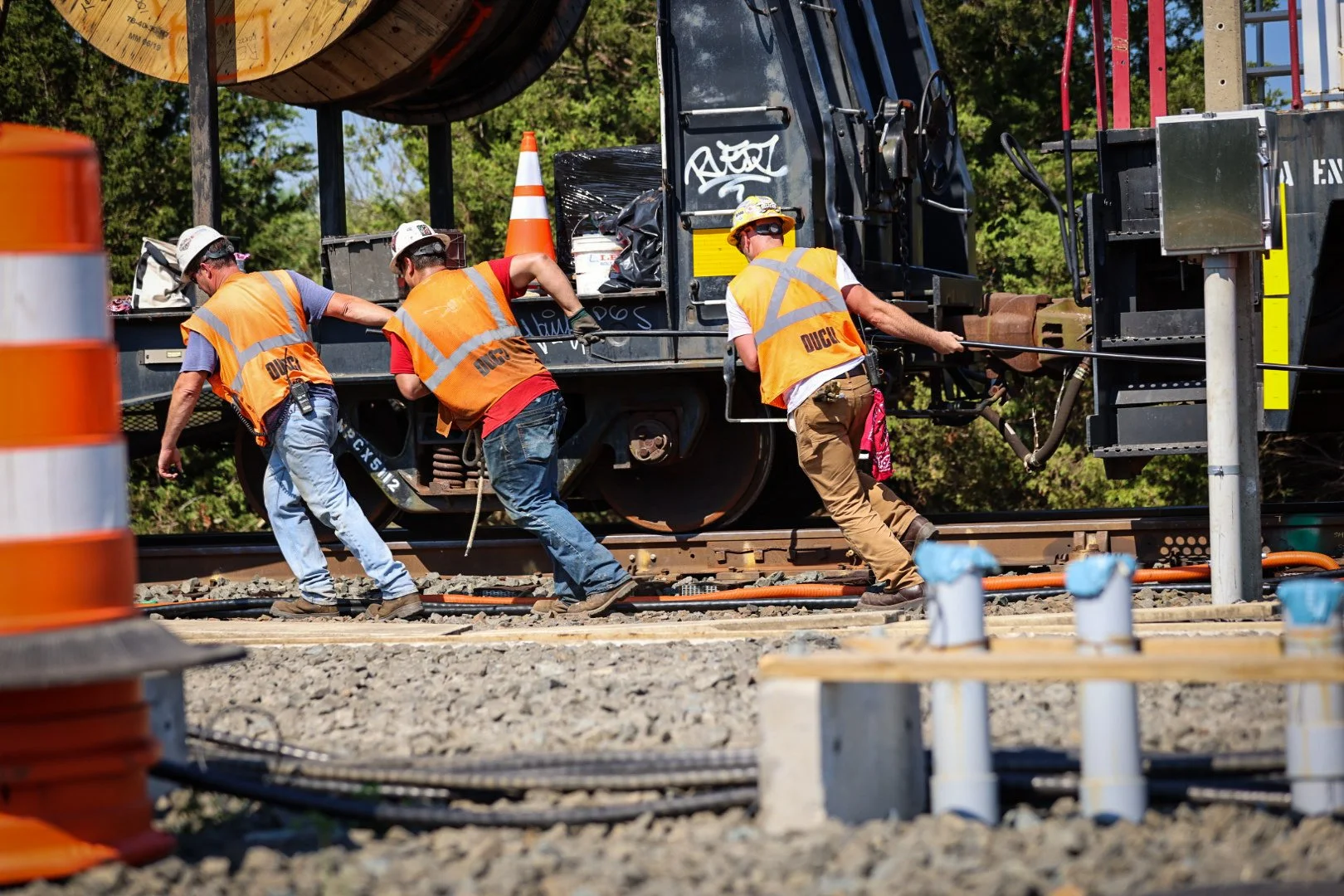
Safety must always be prioritized during track inspection. Inspectors should wear appropriate Personal Protective Equipment (PPE), including hard hats, high-visibility vests, protective eyewear, and steel-toed boots. By adhering to safety protocols, inspectors can mitigate the risks associated with working in close proximity to moving trains and potentially hazardous environments.
Establishing Safety Protocols
Creating robust safety protocols is critical in safeguarding inspection teams. These protocols typically include site assessments, hazard identification, and emergency response mechanisms. Before commencing inspections, teams must conduct safety briefings to ensure that each member understands their roles and responsibilities, thus fostering a culture of safety and caution at every level of operation.
Emergency Response Planning
Effective emergency response planning is integral to minimize risks during track inspection. Inspection teams should develop comprehensive response strategies that address potential accidents or injuries. Regular drills aimed at familiarizing personnel with evacuation routes and procedures can promote preparedness and quick action in emergencies, significantly reducing risks associated with track inspections.
Performance Metrics for Track Inpection
Key Indicators of Track Integrity
To gauge the effectiveness of track inspections, specific performance metrics are used. Key indicators may include the frequency of track defects detected during inspections, the average repair time for identified issues, and the rate of incidents attributable to track failures. By analyzing these metrics, rail operators can maintain high safety standards and operational effectiveness.
Data Analysis for Continuous Improvement
Data analysis plays a vital role in refining track inspection processes. By systematically recording inspection findings, railway companies can identify trends, pinpoint recurring issues, and assess the effectiveness of maintenance interventions. This continuous improvement cycle not only enhances safety but also optimizes resource allocation and minimizes unnecessary expenditures.
Utilizing Feedback for Method Optimization
Feedback from inspection teams serves as a valuable source of information for enhancing inspection methodologies. By establishing a culture of open communication, inspectors can share insights and suggest improvements to inspection techniques and protocols. Regular feedback loops also foster team collaboration, ultimately leading to more efficient and effective track inspection practices.
FAQs About Track Inpection
What tools are commonly used in Track Inpection?
Essential tools include ultrasonic testers, rail-side inspection cameras, and handheld gauges for measuring track geometry.
How often should Track Inpection be conducted?
Regular inspections should typically occur every six months, but this may vary based on prevalent conditions and operational demands.
What are the consequences of neglecting Track Inpection?
Neglecting track inspection can lead to severe accidents, costly repairs, and significant disruptions in rail service.
Can technology replace human inspectors?
While technology aids in inspections, human expertise is crucial for thorough evaluations and assessing nuanced track issues.
What training is required for Track Inpection personnel?
Inspectors need specialized training in railway systems, safety protocols, and the use of inspection tools to ensure compliance with standards.