Understanding Structural Steel Welding
What is Structural Steel Welding?
Structural steel welding is a critical process used in construction and manufacturing, involving the joining of steel components together to create robust frameworks for various structures, such as buildings and bridges. This specialized form of welding is essential for ensuring the integrity and strength of the final product. By employing different welding techniques, skilled welders can achieve seamless joins that support heavy loads and withstand environmental stresses. The expertise in structural steel welding not only demands a thorough understanding of metallurgy but also mastery in different welding processes suitable for specific applications.
Importance of Structural Steel Welding
The importance of structural steel welding cannot be overstated, as it serves as the backbone of many construction projects. Steel structures must endure varying forces, including tension, compression, and shear; hence, effective welding techniques ensure that these forces are distributed evenly across joints and seams. Additionally, proper welding enhances the durability and longevity of the structure, minimizing the need for repairs and providing safety for occupants. This discipline combines mechanical engineering principles with skilled workmanship, thus contributing significantly to the reliability and usability of steel structures.
Basic Welding Techniques Explained
Understanding basic welding techniques is vital for anyone involved in structural steel welding. The main processes include Shielded Metal Arc Welding (SMAW), Gas Metal Arc Welding (GMAW), and Gas Tungsten Arc Welding (GTAW). Each technique has its unique attributes: SMAW is versatile and commonly used for welding in various positions; GMAW, or MIG welding, is favored for its speed and efficiency, especially in factory settings; and GTAW, known as TIG welding, is appreciated for its precision, making it ideal for intricate work. Mastering these techniques can greatly affect the quality of the welds and, subsequently, the safety and performance of the entire structure.
Types of Welding Methods for Structural Steel
MIG Welding: Process and Benefits
MIG welding, or Gas Metal Arc Welding (GMAW), is one of the most commonly utilized welding methods in structural steel applications. This process involves a continuous wire electrode that is fed through a welding gun, where it melts and combines with the base metal. The key benefits of MIG welding include its speed and ease of use, making it an excellent choice for high-volume projects. Additionally, MIG welding can be performed in various positions and is suitable for thin to medium thickness materials, thus enhancing its versatility in job site applications. Welders appreciate the lower skill level required compared to other methods, allowing for a quicker learning curve.
TIG Welding: Precision and Applications
TIG welding, or Gas Tungsten Arc Welding (GTAW), is renowned for its ability to provide high-quality, precise welds. This method uses a non-consumable tungsten electrode to produce the weld, with a filler metal added manually. While TIG welding requires more skill and training than MIG welding, it excels in applications where aesthetics and weld quality are paramount, such as in architectural applications or thin-walled materials. It also offers excellent control over the welding process, making it suitable for complicated joints and materials that are difficult to weld. The versatility of TIG welding makes it a valuable option when intricate designs and high-quality welds are necessary.
Stick Welding: When to Use It
Stick welding, also known as Shielded Metal Arc Welding (SMAW), has been a staple welding process for decades. It involves the use of coated electrodes to create an arc between the electrode and the steel workpiece. Stick welding is highly versatile and effective in outdoor environments, as it is less affected by wind and requires minimal equipment. It is particularly beneficial for thick materials and heavy structural steel applications. However, it can be challenging to master due to the need for precise control and technique. Stick welding is primarily used in construction, repair work, and situations where portability and ease of setup are crucial.
Essential Tools and Equipment
Welding Machines: Choosing the Right One
Choosing the appropriate welding machine is critical to the success of any structural steel welding project. Factors to consider include the type of welding process (MIG, TIG, or stick), the material thickness, and the power supply available. Welding machines come in various models, including transformer-based and inverter-based systems, each offering distinct advantages. For industrial applications, multi-process welding machines provide versatility for different types of welding without the need for multiple units. Additionally, it is essential to consider the warranty and availability of parts and support when selecting a welding machine to ensure long-term productivity and reliability.
Personal Protective Equipment (PPE)
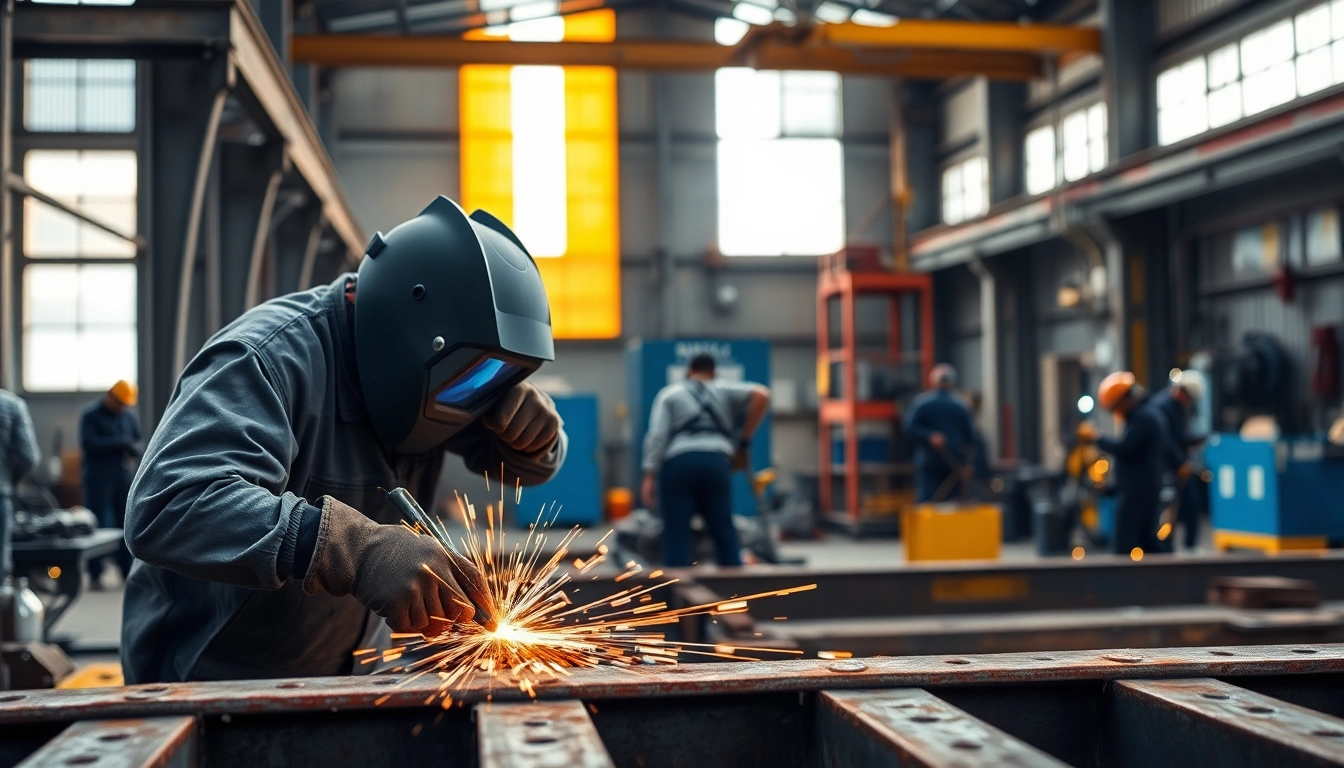
Safety should always be the top priority in any welding environment. Wearing the right personal protective equipment (PPE) is crucial to safeguarding against the hazards present during structural steel welding. Essential items include welding helmets with appropriate filters to protect the eyes and face from bright arcs and sparks, flame-resistant clothing to shield the body from burns, and gloves designed specifically for welding to prevent hand injuries. It is also advisable to use respiratory protection when welding in confined spaces or with materials that generate hazardous fumes. Comprehensive training in safety measures and proper PPE usage is essential for all welders.
Welding Accessories and Add-ons
In addition to core welding machines and PPE, a variety of accessories and add-ons can enhance the welding process. These include welding clamps to hold pieces in place, magnetic squares for alignment, and cooling fans to reduce heat buildup. Additionally, worktables equipped with magnetic surfaces or built-in vice grips can significantly streamline the welding process, allowing for greater efficiency. Investing in high-quality accessories can improve the welder's ability to produce precision welds and maintain consistent quality while working on complex structures.
Safety Practices in Structural Steel Welding
Hazards and Safety Risks
Welding involves several inherent hazards, making safety practices essential. Common risks include exposure to harmful fumes, electric shock, burns from molten metal, and injuries from handling heavy materials. Additionally, poor ventilation can lead to the accumulation of harmful gases, heightening health risks for welders. It is crucial to understand these hazards to implement preventive measures effectively. Ensuring a clean, organized workspace and encouraging regular breaks can also minimize fatigue-related accidents, further enhancing safety in welding operations.
Best Practices for Safety
To mitigate risks associated with structural steel welding, adhering to best safety practices is vital. Always conduct a pre-weld inspection to check equipment and surroundings. Ensure that all welders are qualified and familiar with safety protocols and emergency procedures. Regularly update training programs to include the latest safety techniques and hazard awareness. Implementing proper ventilation in workspaces will help reduce exposure to dangerous fumes and gases. Lastly, fostering a culture of safety where workers feel confident in voicing concerns can lead to a safer work environment overall.
Emergency Response Procedures
Having clear emergency response procedures in place is critical for protecting welders and minimizing damage during incidents. Establish and communicate emergency plans for various scenarios, including fires, electrical injuries, and toxic exposures. Conduct regular drills to ensure all personnel understand their roles in an emergency situation. Accessible first-aid kits should be on-site, and staff should receive training in basic first aid and fire extinguisher usage. Creating a workplace where safety is prioritized and everyone is prepared for emergencies can significantly reduce injury rates and ensure a swift response when incidents occur.
Improving Skills and Techniques in Structural Steel Welding
Training Programs and Certifications
Ongoing education is essential for welders seeking to enhance their skills in structural steel welding. Numerous training programs and certifications are available to help welders improve their techniques and knowledge of new materials and methods. Engaging in formal training, such as community college courses or apprenticeship programs, enables welders to gain practical experience under the guidance of seasoned professionals. Certifications from recognized industry organizations validate a welder’s competence and may significantly improve job prospects and earning potential.
Common Challenges and Solutions
Welders often encounter challenges that can impact the quality and efficiency of their work. Common issues include distortion, poor penetration, and the appearance of slag inclusions. To address these challenges, welders can adopt techniques such as adjusting travel speed, preheating materials, and utilizing appropriate welding parameters. Regularly inspecting welds during fabrication can also help catch imperfections early, enabling the welder to make adjustments before finalizing work. A deep understanding of welding metallurgy and behavior under heat can further enhance a welder’s ability to troubleshoot problems effectively.
Staying Updated with Industry Standards
The world of structural steel welding is continually evolving, with advancements in technology and changes in industry regulations. Staying updated with the latest industry standards, codes, and best practices is vital. Professional organizations, journals, and trade shows offer valuable resources and insights into emerging trends and technologies. Welders should prioritize ongoing education and subscribe to relevant publications to remain informed and maintain a competitive edge in their field. Networking with other professionals can also provide insights and foster collaborative learning.
FAQs
What is structural steel welding?
It involves joining steel parts using specific techniques to create durable structures, ensuring strength and longevity in construction projects.
What materials are used in structural steel welding?
Materials include various steel alloys designed for strength and durability. Choices may vary based on the project's requirements and conditions.
How do I choose the right welding method?
Consider project requirements, the type of material, desired weld aesthetics, and your level of expertise when selecting a welding method.
What safety gear is essential for welding?
Key items include helmets, gloves, flame-resistant clothing, and face shields to protect against burns, arcs, and hazardous fumes.
How can I improve my welding skills?
Practice regularly, attend workshops and training sessions, and seek feedback from experienced welders to enhance your skills and techniques.