Understanding the Basics of Steel Fabrication Shop
Defining Steel Fabrication and Its Importance
Steel fabrication refers to the process of cutting, bending, and assembling steel materials to create structures and components that meet specific engineering and architectural requirements. This crucial industry forms the backbone of countless sectors, including construction, manufacturing, and infrastructure development. The skillful work of a steel fabrication shop ensures that the structural integrity, durability, and aesthetic appeal of projects are maintained. Understanding the foundational principles of steel fabrication can empower businesses to make informed decisions that enhance project efficiency and quality.
Key Processes in a Steel Fabrication Shop
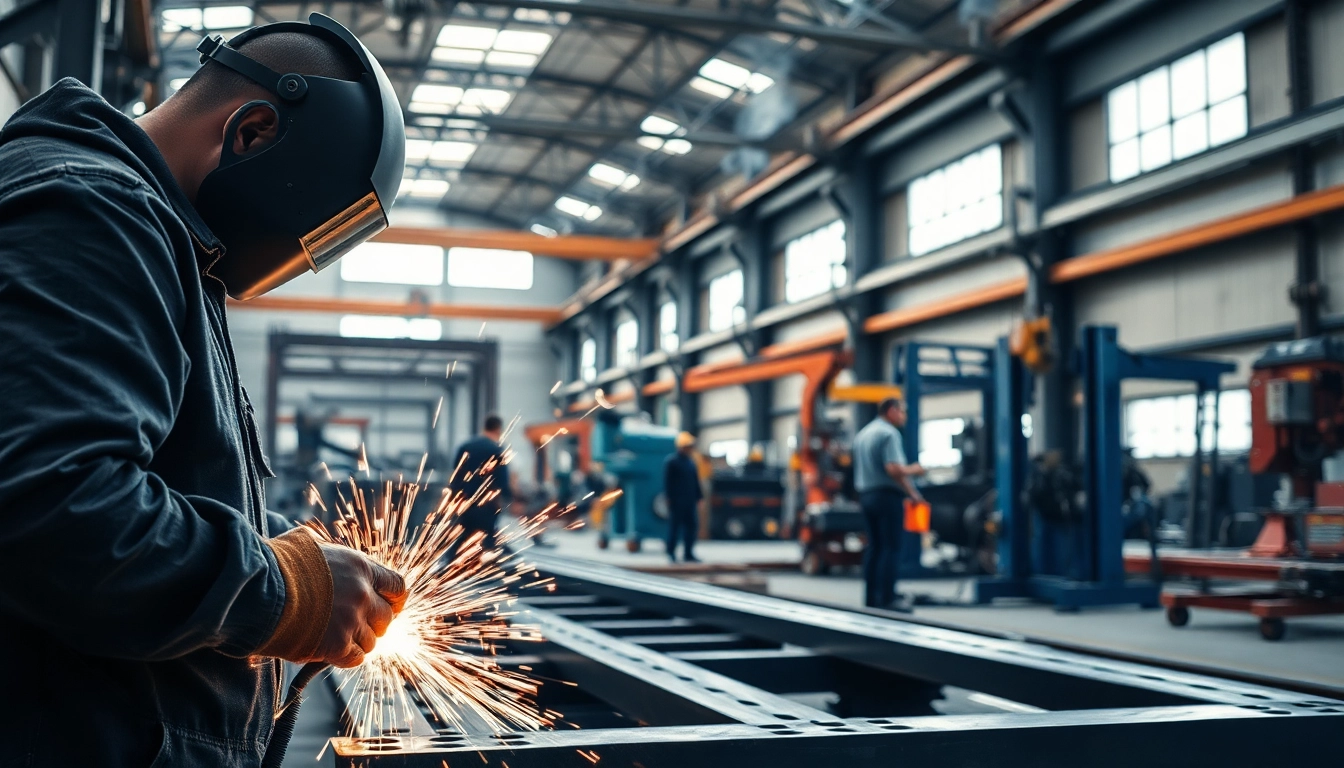
The steel fabrication process typically involves several key stages: cutting, shaping, and assembling. Each stage requires skilled artisans and advanced machinery to ensure precision and quality.
- Cutting: The initial phase where steel sheets or beams are cut according to the dimensions specified in architectural plans.
- Shaping: Involves bending and altering the shapes of the steel using tools like press brakes, providing the required angles and configurations.
- Assembling: The final stage where all individual components are joined together, either through welding, bolting, or riveting.
Modern steel fabrication shops employ various technologies and methodologies to enhance the efficiency and accuracy of these processes, significantly contributing to the overall quality of construction and manufacturing.
Common Materials Used in Steel Fabrication
Various materials are utilized in a steel fabrication shop to achieve desired outcomes. The most common include:
- Carbon Steel: Known for its strength and versatility, carbon steel is commonly used in construction and manufacturing.
- Stainless Steel: Ideal for environments that require resistance to corrosion and tarnishing, making it popular in industries like food processing and healthcare.
- Alloy Steel: Formulated with other elements to enhance specific properties such as strength, ductility, or fatigue resistance.
The selection of materials not only affects the aesthetics and performance of the final product but also has implications for cost and durability over time.
Common Challenges Faced by Steel Fabrication Shops
Identifying Operational Inefficiencies
Operational inefficiencies present a significant challenge for steel fabrication shops. Factors such as mismanaged workflows, underutilization of technology, and inefficient resource allocation can lead to increased costs and delayed project timelines. Addressing these inefficiencies requires a thorough analysis of workflows, labor processes, and inventory management. Implementing Lean manufacturing principles can be beneficial, helping to streamline operations, reduce waste, and improve overall productivity.
Managing Safety Risks in Steel Fabrication
The nature of steel fabrication inherently involves various hazards, from heavy machinery operations to the handling of sharp materials. It is crucial for shops to implement comprehensive safety protocols, including regular training sessions, proper signage, and the use of personal protective equipment (PPE). Furthermore, conducting routine audits and risk assessments can identify potential safety concerns before they escalate into serious incidents.
Dealing with High Material Costs
The fluctuating prices of steel and raw materials can greatly affect the profit margins of steel fabrication shops. To mitigate these costs, it is vital for shops to establish strong relationships with suppliers and consider bulk purchasing strategies. Additionally, investing in recycling programs and lean manufacturing practices can help minimize waste and reduce overall expenditures.
Best Practices for Optimizing Your Steel Fabrication Shop
Streamlining Workflow to Enhance Productivity
Optimizing workflow involves organizing the layout of the steel fabrication shop to foster easy movement and reduce unnecessary steps. This can be achieved through the principles of workplace organization like 5S, which focuses on sorting, setting in order, shining, standardizing, and sustaining. Moreover, integrating just-in-time inventory practices can assure that materials arrive as needed, reducing storage costs and eliminating clutter.
Implementing Quality Control Measures
Maintaining quality control is tantamount to success in the steel fabrication industry. Implementing systematic inspections throughout the fabrication process ensures adherence to specifications and standards. Advanced tools like digital measuring devices can enhance accuracy, and regular training for fabrication staff can reinforce the importance of quality amidst demanding production schedules.
Leveraging Technology in Steel Fabrication
The integration of technology can transform steel fabrication operations dramatically. Employing CAD (Computer-Aided Design) software allows for precise design and modifications, while CNC (Computer Numerical Control) machinery enhances the accuracy of cutting and shaping. Moreover, the incorporation of ERP (Enterprise Resource Planning) systems can aid in managing inventory, scheduling, and order tracking efficiently.
Innovative Techniques in Steel Fabrication
Adopting Advanced Welding Methods
Recent developments have introduced advanced welding techniques such as laser welding, electron beam welding, and robotic welding. These methods enhance precision, speed, and the quality of welds, which can be crucial for components that experience high stress or exposure to adverse conditions. By adopting such techniques, shops can improve their service offerings and cater to complex fabrication requirements.
Utilizing Automated Systems and Robotics
Automation plays a vital role in reducing labor costs and increasing throughput in steel fabrication shops. Robotics can perform repetitive tasks with greater speed and accuracy than human labor, especially in processes like welding, assembling, or material handling. Investing in automated systems can free up human resources for more strategic roles while enhancing overall productivity levels.
Exploring Sustainable Practices in Fabrication
Sustainability is becoming increasingly paramount in the steel fabrication industry. Practices like recycling scrap material, utilizing energy-efficient machines, and sourcing materials from sustainable suppliers contribute not only to environmental responsibility but also to cost savings. Implementing green certifications can further enhance a company’s reputation and appeal to environmentally conscious clients.
Measuring Success in Your Steel Fabrication Shop
Key Performance Indicators to Track
To measure the success of a steel fabrication shop, it is essential to monitor key performance indicators (KPIs). Common KPIs include production efficiency, scrap rate, on-time delivery rate, and customer satisfaction. By tracking these metrics regularly, management can identify areas needing improvement and strategize appropriately.
Customer Satisfaction and Retention Metrics
Customer satisfaction is critical to sustained success. Regularly gauging feedback through surveys, follow-ups, and direct communication with clients can provide valuable insights. Retention metrics, such as repeat business and referral rates, also serve as indicators of client satisfaction and the shop’s overall market reputation.
Continuous Improvement Strategies for Long-Term Success
Continuous improvement should be an integral part of any steel fabrication shop’s strategy. Embracing well-established frameworks like Six Sigma and Total Quality Management (TQM) can drive ongoing excellence. Regular training, workforce engagement, and fostering a culture of innovation pave the way for long-term success and adaptability in a constantly evolving industry.