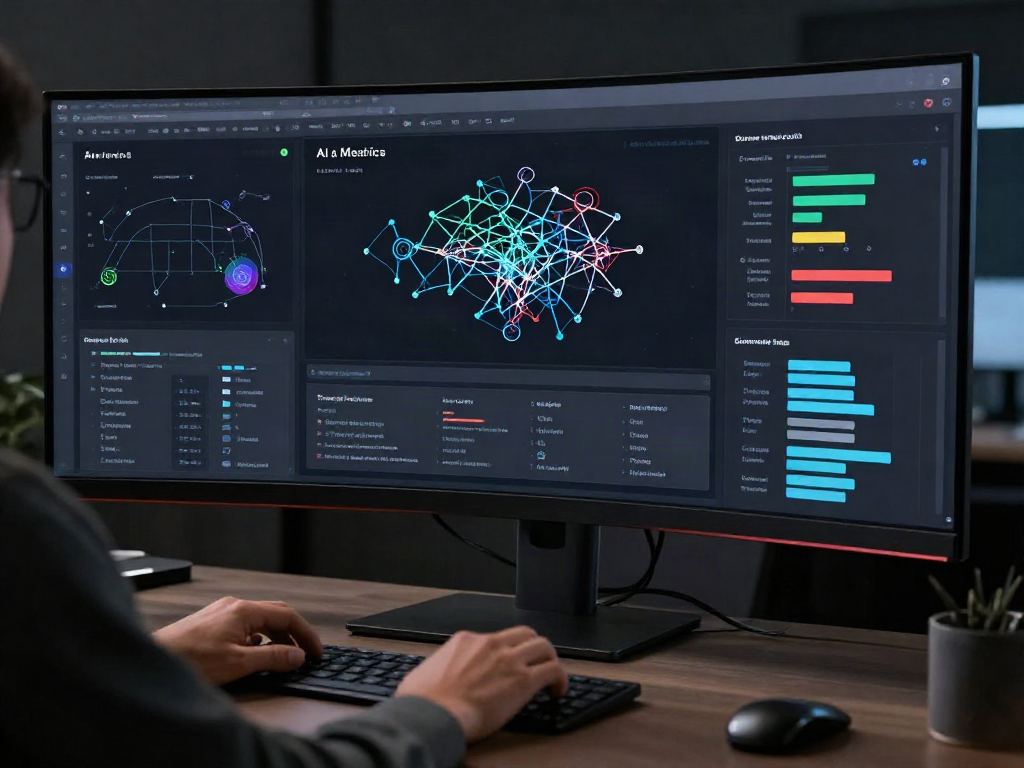
What is SaaS?
In an era where businesses are increasingly adopting digital solutions, understanding the concept of Saas has become essential. Software as a Service (SaaS) is a cloud computing service model that allows users to access applications via the internet, rather than installing and maintaining software locally on their devices. This model provides various advantages, including cost savings and convenience, revolutionizing the way companies operate.
Defining SaaS and Its Key Components
At its core, SaaS involves delivering software applications through the internet, enabling a subscription-based model. This approach eliminates the need for extensive hardware requirements and ongoing software maintenance. Key components of SaaS include:
- Cloud Hosting: Software is hosted on the provider's servers and accessed by users via a web browser.
- Subscription Payments: Customers pay a recurring fee, which can be monthly or annually, allowing for a predictable budgeting model.
- Multi-Tenant Architecture: A single instance of the software serves multiple customers, optimizing resource utilization.
- Automatic Updates: Providers handle software updates and maintenance, ensuring users benefit from the latest features without additional costs.
How SaaS Differs From Traditional Software
Unlike traditional software, which requires downloading and installation on individual devices, SaaS offers a more dynamic model. Key differences include:
- Accessibility: SaaS applications can be accessed from any device with an internet connection, facilitating remote work and collaboration.
- Cost Structure: Traditional software often involves hefty upfront costs, while SaaS allows for flexible payment models that can align with budget cycles.
- Maintenance: Traditional software requires user intervention for updates and patches, whereas SaaS providers manage this process automatically.
SaaS Delivery Models and Architecture
The architecture of SaaS involves several delivery models:
- Public Cloud: Software applications are hosted on the provider's infrastructure, offering scalability and cost efficiency.
- Private Cloud: Applications are hosted on a private server, providing enhanced security and compliance for sensitive data.
- Hybrid Cloud: This model combines public and private clouds, allowing organizations to choose their hosting based on specific needs.
This variety in delivery models enables businesses to select the optimal infrastructure that best fits their operational requirements and budget constraints.
Benefits of SaaS for Businesses
Embracing Saas offers numerous benefits to businesses, transforming their operational capabilities and enhancing productivity.
Cost Efficiency and Resource Allocation
One of the primary advantages of SaaS is its cost-efficiency. By eliminating the need for expensive hardware and reducing the upfront costs associated with software acquisition, companies can better allocate their resources. Subscription models also enable businesses to scale their expenses based on usage, allowing for financial flexibility. This means businesses can invest more in their core operations rather than IT infrastructures.
Scalability and Flexibility
SaaS offers unparalleled scalability, allowing businesses to easily adjust their usage levels based on current needs. Whether a company is expanding or downsizing, they can swiftly increase or decrease their software capacity. This flexibility supports businesses through growth phases without the traditional barriers encountered with license management and software installations.
Enhanced Collaboration and Accessibility
The nature of SaaS allows for significant improvements in collaboration among teams. Since applications are accessible from anywhere with an internet connection, employees can easily work together regardless of their physical location. Real-time updates and shared data enhance teamwork, resulting in improved outcomes and faster project completions. This is particularly beneficial for organizations with remote teams and global operations.
Challenges in Adopting SaaS
While there are numerous benefits, adopting Saas is not without its challenges. Organizations must be aware of potential pitfalls to ensure a successful transition.
Security Concerns and Data Privacy
Security is often a primary concern for businesses considering SaaS. Sensitive data is stored off-site, which raises questions about compliance and data protection. Organizations must ensure that the chosen SaaS provider adheres to strict security protocols and data management policies. Establishing robust security frameworks and policies for data access can help maintain privacy and build user confidence.
Downtime and Reliability Issues
While SaaS providers often boast high uptime rates, outages can still occur, impacting business operations. Companies must account for potential downtimes in their planning and consider the implications for service delivery. Having a clear communication plan and a service level agreement (SLA) that outlines uptime guarantees can mitigate some of these concerns.
Integration with Existing Systems
Integrating SaaS applications with legacy systems poses a significant challenge for businesses. Compatibility issues can arise, leading to disruptions in workflow and productivity. To navigate these challenges successfully, organizations should conduct thorough evaluations to ensure a smooth transition and consider middleware solutions to facilitate integrations.
Strategies for Effective SaaS Implementation
To maximize the benefits of Saas, organizations must develop thoughtful strategies for implementation.
Choosing the Right SaaS Solution
Selecting the appropriate SaaS solution requires evaluating various options against specific business needs. Factors to consider include user-friendliness, integration capabilities, and customer support. Conducting trials and gathering feedback from end-users can also help ensure that the chosen software meets operational requirements effectively.
Training and Support for Users
Training is vital for ensuring user adoption of SaaS applications. The best technology is ineffective if users are not equipped to utilize it properly. Comprehensive training programs and ongoing support should be established to help users overcome any learning curves and maximize software use. Providing user-friendly documentation and a responsive help desk can enhance user experience significantly.
Continuous Monitoring and Evaluation
Continuous monitoring and assessment are critical to successful SaaS deployment. Organizations should regularly evaluate usage patterns, performance metrics, and user feedback. This ongoing analysis can identify areas for improvement, optimize costs, and uncover opportunities for further integration. Consistent evaluations ensure that the SaaS solution continues to meet business objectives over time.
Future Trends in SaaS
The landscape of Saas is rapidly evolving, shaped by technological advances and shifting business needs. Several trends are emerging that will influence the future of SaaS.
Emergence of AI and Automation
Artificial Intelligence (AI) is increasingly being integrated into SaaS applications, enhancing functionalities and automating tasks that were previously manual. This integration allows businesses to streamline operations, improve decision-making capabilities, and provide personalized customer experiences. As AI technology continues to improve, SaaS applications will become even more powerful tools for businesses.
Increased Focus on Customer Experience
Providing an exceptional customer experience has become a key differentiator among SaaS providers. As competition intensifies, organizations are prioritizing user-centric designs and customizability to meet varying customer needs. SaaS applications will increasingly feature robust customer support systems and personalized experiences to enhance user retention and satisfaction.
Sustainability in SaaS Development
As environmental concerns gain prominence, SaaS providers are focused on creating sustainable solutions. This involves developing energy-efficient data centers, optimizing operations, and utilizing resources responsibly. Companies looking for SaaS solutions can expect an increase in environmentally friendly practices, as sustainability becomes a priority for both providers and clients.
Frequently Asked Questions
What does SaaS stand for?
SaaS stands for Software as a Service, a cloud-based service where applications are hosted by a provider and accessed online by users.
How is SaaS different from traditional software?
SaaS offers access through the internet without installation, while traditional software requires local installation and maintenance on devices.
What are the advantages of using SaaS?
Benefits of SaaS include cost savings, scalability, enhanced collaboration, and automatic updates, making it a practical choice for businesses.
What should I consider when choosing a SaaS provider?
Consider factors like security, customer support, integration capabilities, and scalability to ensure the chosen SaaS provider meets your needs.
Is SaaS secure for sensitive data?
While SaaS can be secure, it’s crucial to choose providers that conform to strict security standards and offer robust data protection mechanisms.