The Basics of Refineries
Definition of Refineries
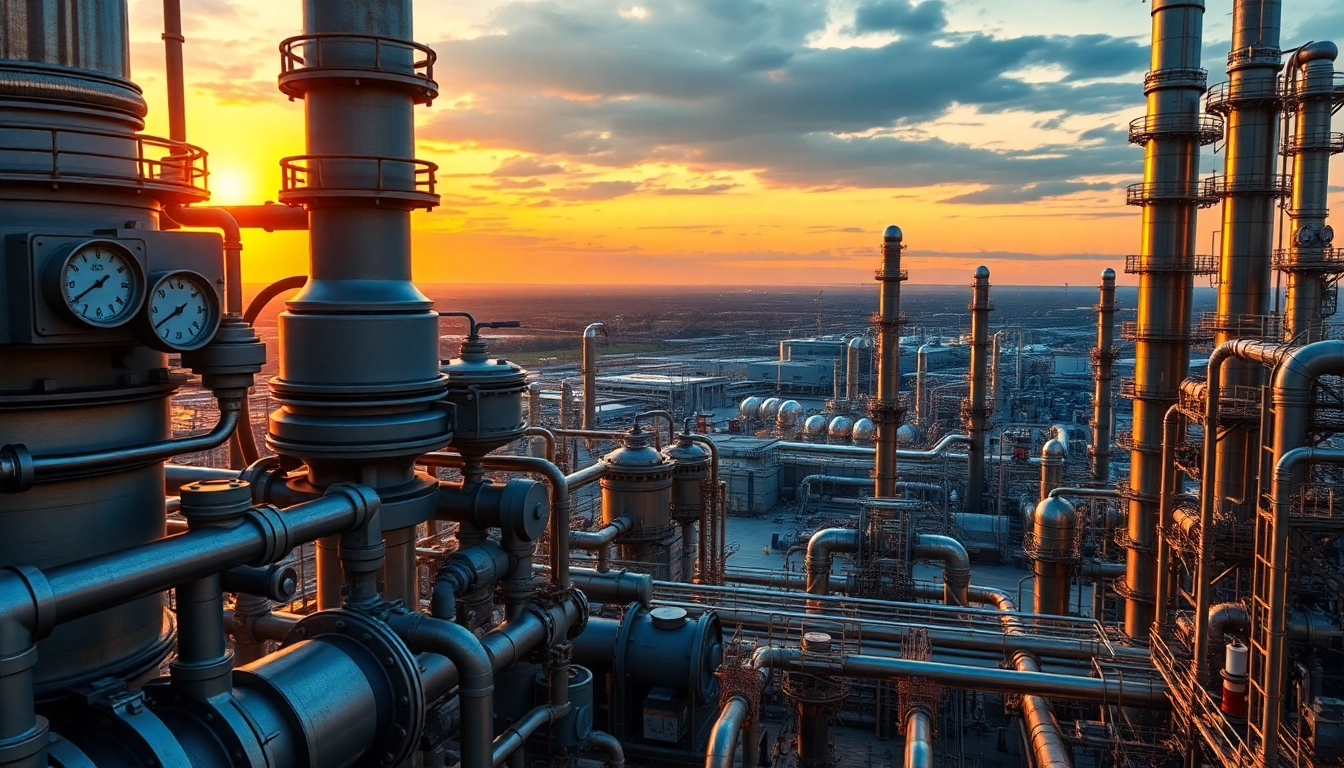
Refineries are industrial facilities where raw materials undergo complex chemical processes to be transformed into finished products. In particular, refineries convert crude oil into usable fuels such as gasoline, diesel, and various other petrochemicals. These facilities play a critical role in modern economies by ensuring the availability of essential fuels, lubricants, and other materials required in everyday life.
Types of Refineries
There are several types of refineries based on the materials they process and the products they produce. The main categories include:
- Oil Refineries: These are the most common and process crude oil into various petroleum products through refining techniques such as distillation and cracking.
- Sugar Refineries: They focus on converting raw sugarcane or sugar beets into refined sugar. The process involves purification, crystallization, and drying.
- Other Material Refineries: These can include refineries handling metals, minerals, and other raw materials to refine them into usable products.
History of Refineries
The history of refineries dates back to the Roman Era, with the extraction of oils from plants. However, the modern oil refining industry began in the mid-19th century with the discovery of kerosene. The first commercial oil refinery was constructed by Edwin Drake in Pennsylvania in 1856, setting off a trend that propelled the industrial use of oil and contributed to the rise of the petroleum industry.
How Refineries Operate
The Refining Process Explained
The refining process involves several key steps to convert crude oil into marketable products:
- Distillation: Crude oil is heated, and its components are separated based on their boiling points. This results in different fractions, such as gasoline, diesel, and other products.
- Cracking: Larger hydrocarbons are broken down into smaller, more useful molecules through processes such as thermal cracking and catalytic cracking.
- Treating: Finished products undergo chemical treatments to remove impurities and enhance qualities, ensuring that they meet industry standards.
- Blending: Various refined products are blended to produce gasoline and other fuels tailored to specific consumer needs and regulations.
Key Equipment Used in Refineries
Refineries utilize specialized equipment to carry out the refining process efficiently. Important equipment includes:
- Distillation Columns: These tall towers are essential for separating crude oil into its various components.
- Crackers: Used to break larger hydrocarbons into smaller molecules, these units are crucial for increasing gasoline yield.
- Heat Exchangers: These devices help in maintaining optimal temperatures for chemical reactions and often increase energy efficiency by conserving heat.
- Storage Tanks: These are used to store crude oil, intermediate products, and finished fuels safely.
Safety Measures in Refineries
Safety is paramount in refinery operations, given the hazardous nature of crude oil and refined products. Refineries implement various safety protocols, including:
- Regular Safety Training: Employees receive training to handle volatile materials safely and understand emergency procedures.
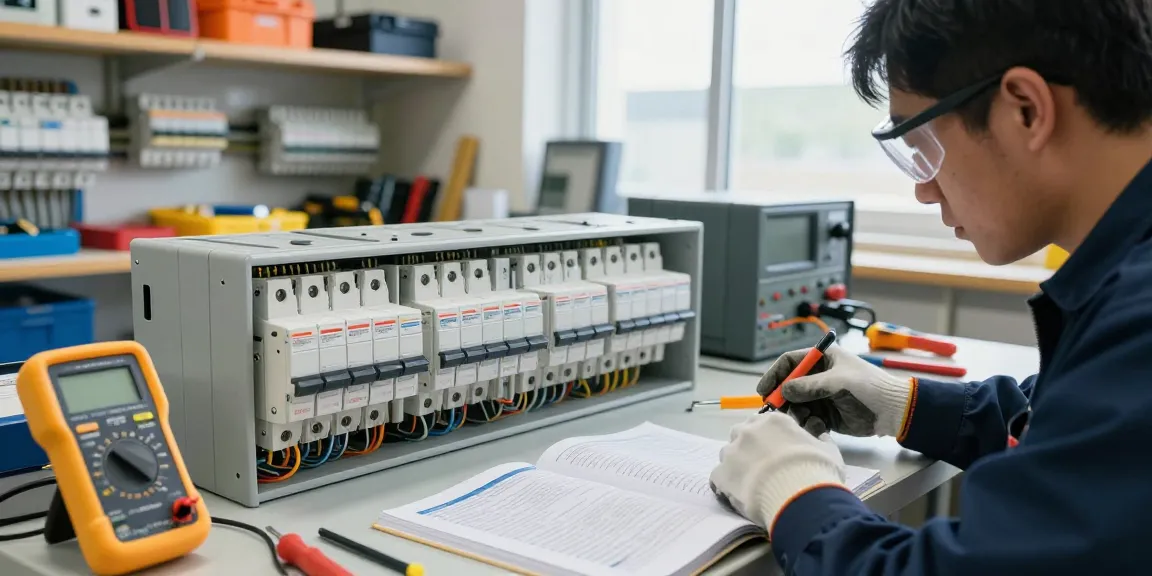
- Safety Equipment: Personal protective equipment (PPE) is mandatory for all workers to minimize risks of accidents.
- Emergency Response Plans: Refineries must have comprehensive plans in place to respond to accidents or leaks quickly.
Environmental Impact of Refineries
Pollution Concerns
Refineries can significantly impact the environment due to emissions and waste products. Key concerns include:
- Air Pollution: Emissions may contain volatile organic compounds (VOCs), sulfur dioxides, and nitrogen oxides, which contribute to smog and respiratory problems.
- Water Contamination: Effluents discharged from refineries can lead to serious water quality issues, threatening aquatic life and human health.
- Soil Degradation: Accidental spills during transportation and storage can lead to soil contamination.
Regulations Governing Refineries
To mitigate the environmental impact, numerous regulations govern refineries, including the Clean Air Act and the Clean Water Act. These regulations establish emission limits, impose monitoring requirements, and mandate reporting on environmental performance, thereby holding refineries accountable for their impact on the environment.
Improvements in Sustainable Practices
In recent years, many refineries have adopted sustainable practices to reduce their environmental footprint. Some noteworthy initiatives include:
- Waste Minimization: By implementing recycling programs, refineries are significantly reducing waste generation.
- Carbon Capture Technologies: These technologies help in capturing carbon dioxide emissions to prevent them from entering the atmosphere.
- Investment in Renewable Sources: Many refineries are exploring biofuels and other renewable energy sources, contributing to a lower carbon footprint.
Economic Significance of Refineries
Refineries and Job Creation
Refineries play an essential role in job creation. They employ thousands of skilled workers, ranging from engineers to maintenance technicians. Additionally, they support jobs in associated sectors such as transportation, construction, and logistics, significantly contributing to local economies.
Market Dynamics of Refined Products
The global oil market is highly dynamic, influenced by geopolitical events, technological advancements, and market demand. Refineries must adapt to these changes, balancing production to meet consumer needs while managing costs and optimizing operations.
Global Competition Among Refineries
In a globalizing economy, refineries compete not just locally but on an international scale. Factors such as efficiency, technology adoption, and sustainability practices determine competitiveness, pushing refineries to innovate and improve continuously.
Future of Refineries
Innovations in Refining Technology
The future of refineries will heavily rely on innovations in technology. Advancements such as artificial intelligence, big data analytics, and automation are set to revolutionize the refining process, enhancing efficiency and reducing operational costs.
The Shift Towards Green Refineries
There is a growing emphasis on transforming conventional refineries into green refineries that prioritize minimizing environmental impact. This shift involves adopting renewable energy sources, improving resource efficiency, and prioritizing sustainable fuels.
Challenges Facing Refineries Today
Despite advancements, refineries face several challenges, including regulatory pressures, market volatility, and the need for substantial capital investment to modernize and meet environmental standards. Navigating these challenges requires strategic planning and a commitment to sustainability.
Frequently Asked Questions
What are the primary products produced by refineries?
Refineries primarily produce gasoline, diesel, jet fuel, heating oil, and various petrochemicals used in manufacturing.
What safety measures do refineries implement?
Refineries implement rigorous safety training, utilize personal protective equipment, and have emergency response plans to ensure worker safety and minimize risks.
How do refineries impact the environment?
Refineries can contribute to air and water pollution and soil contamination. Regulations govern their emissions to mitigate these impacts.
What innovations are shaping the future of refineries?
Innovations such as AI, automation, and carbon capture technologies are shaping the future, enhancing efficiency, and reducing environmental impact.
What role do refineries play in job creation?
Refineries are significant employers, providing thousands of jobs directly and supporting various industries, contributing to local economies.