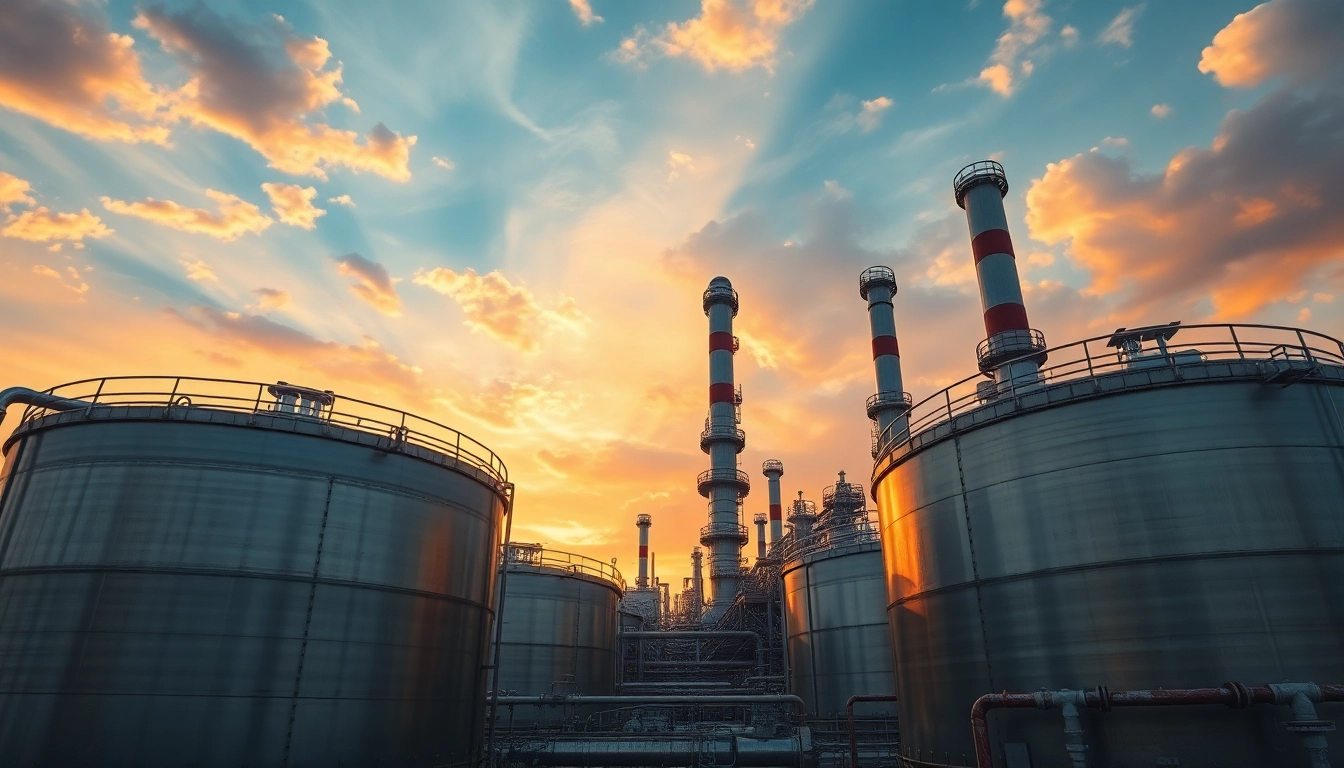
Introduction to Refineries and Their Functions
Refineries play a crucial role in transforming raw materials into usable products that fuel our daily lives and economies. At their core, these industrial facilities execute complex processes to convert crude oil into various essential commodities, ranging from gasoline to lubricants. This article delves into the intricacies of refineries, their operational significance, environmental concerns, and technological advancements reshaping the industry.
What Are Refineries?
A refinery is a facility dedicated to the processing and transformation of raw materials into consumable products through various chemical engineering processes. While many people immediately associate refineries with crude oil, they can also refine other materials such as sugar, metals, and gas.
In the context of oil, a petroleum refinery involves several unit operations combining physical and chemical processes to separate and convert crude oil into valuable products. This complex network of systems is designed to maximize output while minimizing environmental impact.
The Role of Refineries in the Oil Production Chain
Refineries serve as integral hubs within the oil production chain, acting as the bridge between crude oil extraction and product distribution. After raw oil is extracted, it undergoes transportation to these facilities, where it is refined into various products required for everyday use.
The refining process involves a series of steps: separation of crude oil into fractions, conversion of these fractions into valuable products, and treatment or blending to enhance product specifications. This level of processing enables refineries to meet both consumer demands and regulatory standards.
Common Types of Refineries
Refineries can be classified based on their function, complexity, and the type of crude oil they process. The main types include:
- Simple Refineries: Focus primarily on separating crude oil into different fractions through distillation.
- Complex Refineries: Incorporate additional processes like catalytic cracking or alkylation to convert heavier fractions into lighter, more valuable products.
- Modular Refineries: Smaller refineries that can be easily transported and set up, often used in remote locations or for specific needs.
- Integrated Refineries: Facilities that combine refining with petrochemical processes to produce a wider array of chemical products.
Key Processes in Refining Crude Oil
Separation Techniques Used in Refineries
The first step in refining crude oil involves separating it into various components based on different boiling points. Common separation techniques include:
- Distillation: A process that heats crude oil to separate it into various fractions like gasoline, diesel, and kerosene.
- Fractionation: A complex method where fractions obtained during distillation are further separated to produce high-purity products.
- Extraction: Utilizing solvents to extract specific components from crude oil, often used for heavy oils.
These separation techniques ensure that the maximum quantity of usable products is obtained while minimizing waste.
Conversion Processes: Beyond Fractionating
After separation, many fractions undergo conversion processes to enhance their value. These processes involve:
- Cracking: Breaking down larger hydrocarbon molecules into lighter products. Types include thermal cracking and catalytic cracking.
- Reforming: Rearranging molecular structures to improve the quality of gasoline and other fuel products.
- Hydrocracking: Combining hydrogen with oil fractions in the presence of a catalyst to produce high-quality fuels and diesel.
Conversion practices like these help refineries optimize yield and meet the changing demands of the market.
Importance of Refinery Safety Measures
Safety in refineries is paramount due to the potential hazards associated with processing flammable and toxic materials. Comprehensive safety measures include:
- Regular Maintenance: Routine checks and maintenance protocols to identify and rectify potential hazards.
- Emergency Response Plans: Well-documented procedures for dealing with potential accidents or spills.
- Employee Training: Continuous education on safety practices and emergency management for all refinery staff.
By prioritizing safety, refineries maintain not only the well-being of their workers but also that of surrounding communities.
Environmental Impact of Refineries
Emissions and Pollution Concerns
Despite their essential role, refineries contribute significantly to environmental pollution through emissions and byproducts. Key concerns include:
- Air Pollutants: Such as sulfur dioxide (SO2), nitrogen oxides (NOx), and volatile organic compounds (VOCs) that contribute to smog and health issues.
- Water Pollution: Potential leaks and discharges of toxic substances into nearby water sources can harm aquatic ecosystems.
- Soil Contamination: Non-compliance with safety measures can lead to oil spills, affecting soil quality and local ecosystems.
Addressing these concerns requires concerted efforts from refineries to adopt cleaner technologies and adhere to strict environmental regulations.
Sustainability Practices in Modern Refineries
In response to environmental concerns, many refineries have begun implementing sustainability practices designed to minimize their ecological footprint. Such initiatives include:
- Energy Efficiency Improvements: Upgrading equipment and processes to consume less energy.
- Waste Minimization: Reducing waste generation through recycling and reusing byproducts.
- Carbon Capture Technologies: Innovations that capture carbon dioxide emissions for reuse or storage to mitigate climate impact.
These sustainable practices not only enhance operational efficiency but also contribute positively to the broader initiative for environmental stewardship.
Regulatory Compliance and Standards
Refineries must comply with strict regulatory frameworks established by governmental bodies to ensure both environmental protection and public safety. Key regulations often include:
- Environmental Laws: Such as the Clean Air Act and Clean Water Act, governing emissions and discharges.
- Safety Regulations: Established by organizations like OSHA to ensure worker safety and health.
- Quality Standards: Mandatory specifications for product quality that refineries must meet to ensure market compliance.
Adhering to these standards is crucial for the reputation and operational viability of any refinery.
Technological Innovations in Refineries
Advancements in Refining Technology
Recent advancements in refining technologies are transforming how refineries operate, enhancing efficiency and reducing environmental impact. Some notable innovations include:
- Process Automation: Implementing advanced control systems for real-time monitoring and adjustment of refining processes.
- AI and Machine Learning: Utilizing data analytics to optimize operations and predict equipment failures.
- Modular Refining Systems: Creating smaller, scalable refining modules that can be quickly deployed in various locations.
These technologies not only enhance productivity but also promote adaptability in rapidly changing market conditions.
Impact of Digitalization on Refinery Operations
The digital transformation of refineries is continuously reshaping operational practices. Benefits of digitalization entail:
- Improved Decision-Making: Access to big data and real-time analytics empowers better strategic choices.
- Enhanced Maintenance: Predictive maintenance capabilities minimize downtime and improve equipment longevity.
- Integrated Supply Chain: Connected platforms facilitate better coordination and efficiency across the supply chain.
Ultimately, digital transformation fosters greater resilience while propelling efficiency and innovation forward.
Future Trends and Opportunities
As the industry evolves, future trends are likely to shape the operational landscape significantly. Key opportunities include:
- Green Refining Processes: Developing processes that prioritize renewable energy and sustainably sourced materials.
- Biorefineries: Facilities that convert biomass into biofuels and other products, diversifying the refining sector.
- Collaboration with Energy Transition Initiatives: Partnering with stakeholders to explore synergies in the energy value chain, especially in light of the shift toward renewable resources.
These forward-looking strategies can greatly enhance the resilience and adaptability of refineries in a changing global landscape.
Frequently Asked Questions about Refineries
What products are produced by refineries?
Refineries produce a wide array of products, including gasoline, diesel, jet fuel, heating oil, lubricants, asphalt, and petrochemicals used in plastics and chemicals.
How do refineries affect local economies?
Refineries create jobs, stimulate local business, and generate tax revenue which contributes to community infrastructure and services, enhancing local economic growth.
What is the process for starting a new refinery?
Starting a refinery involves feasibility studies, securing capital, obtaining regulatory approvals, site selection, and constructing the facility, all requiring significant time and investment.
How are refineries regulated?
Refineries are primarily regulated by environmental agencies, occupational safety administrations, and industry-specific regulatory bodies that set operational and safety standards.
What careers are available in refineries?
Career opportunities in refineries span engineering, operations, safety management, environmental compliance, and administrative roles, catering to diverse skill sets.