
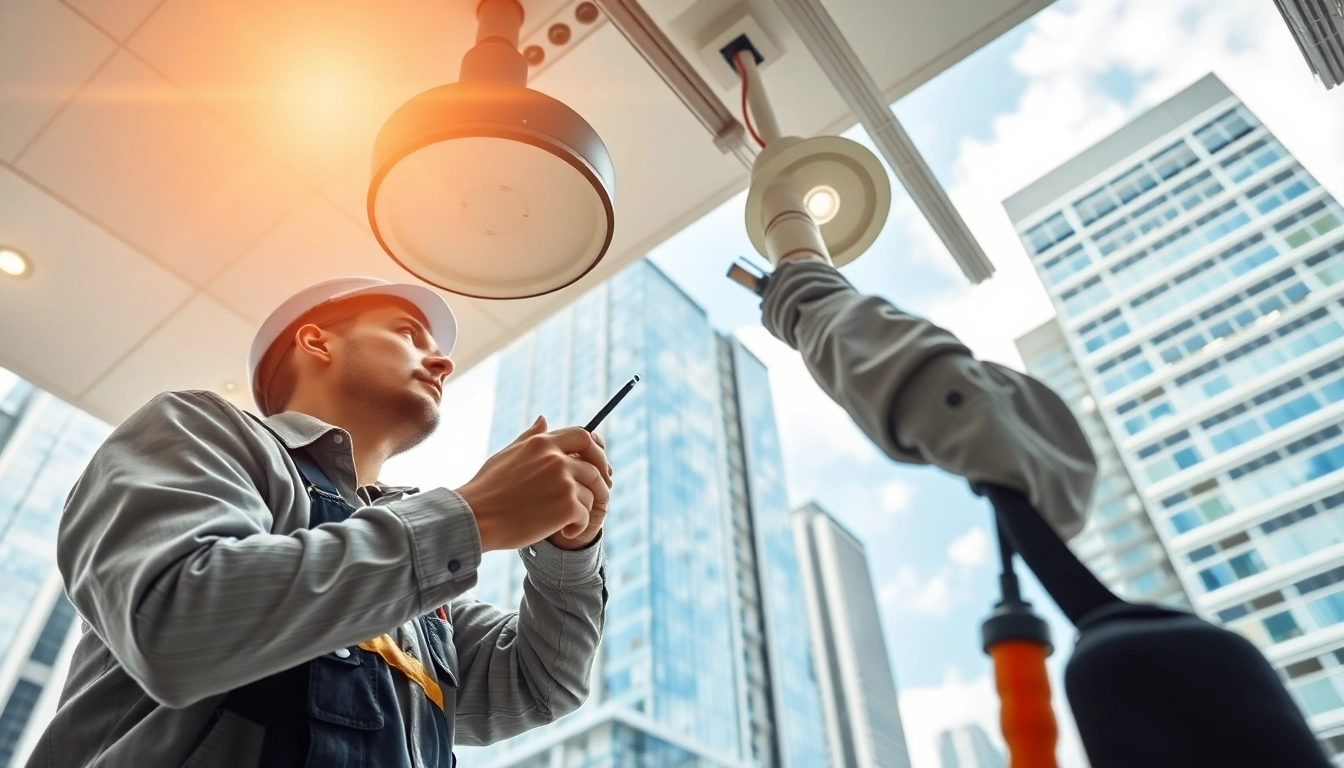
Understanding Lighting Maintenance
What is Lighting Maintenance?
Lighting maintenance encompasses the systematic methods utilized to keep lighting systems functioning optimally. This includes everything from replacing burnt-out bulbs and cleaning fixtures to regular inspections aimed at identifying potential issues before they become significant problems. Effective lighting maintenance not only ensures that spaces are well-lit but also extends the lifespan of lighting systems, improving both their performance and reliability.
Importance of Regular Maintenance
Regular maintenance is crucial for preserving the efficiency and effectiveness of lighting systems. Poorly maintained fixtures can lead to inconsistent lighting levels, increased energy consumption, and ultimately higher operating costs. Furthermore, dim or flickering lights can contribute to unsafe environments, particularly in commercial or public spaces where visibility is essential. By investing in proactive maintenance, organizations can avoid unexpected repairs and maintain a safe atmosphere.
Common Types of Lighting Systems
Understanding the various types of lighting systems is fundamental for effective maintenance. Common systems include:
- Incandescent: These traditional light bulbs have a shorter lifespan and require more frequent replacement.
- Fluorescent: Often found in commercial settings, they provide efficient lighting but need proper ballast maintenance.
- LED: Highly efficient and long-lasting, LED systems reduce energy consumption significantly, although they still require routine checks.
- Smart Lighting: These systems utilize technology for automation and can often self-diagnose issues, but they still require regular software updates and physical checks.
Benefits of Proactive Lighting Maintenance
Enhanced Safety and Security
Proactive lighting maintenance significantly enhances safety and security within various environments. Well-maintained lighting reduces the risk of accidents by ensuring adequate illumination, particularly in high-traffic areas such as parking lots, stairwells, and hallways. Moreover, effective lighting deters crime, as brightly lit areas are less appealing to intruders, thereby contributing to a safer environment for employees, customers, and visitors.
Energy Efficiency Improvements
Regular maintenance directly impacts energy efficiency by ensuring lighting systems operate at optimal levels. For instance, replacing dirty or outdated bulbs with energy-efficient alternatives, like LEDs, can lower electricity usage significantly. Furthermore, addressing issues such as malfunctioning sensors and controls ensures lighting operates only when necessary, reducing waste and leading to substantial savings on energy bills.
Cost Reduction Over Time
While the upfront costs of maintaining lighting systems may seem high, proactive maintenance can lead to significant long-term savings. By preventing major failures, organizations can avoid costly emergency repairs and downtime. Additionally, energy savings from efficient systems and fewer replacements contribute to lower overall operational costs, making maintenance a sound financial investment.
Best Practices for Lighting Maintenance
Routine Inspections and Testing
Conducting routine inspections should be a cornerstone of any lighting maintenance strategy. Inspections should include checking all fixtures, ensuring that they are clean and functioning correctly. Testing components like timers, sensors, and dimmers is also essential. Create a schedule for these inspections, ideally monthly for high-traffic locations, and annually for less frequented areas.
Handling Bulb and Fixture Replacement
Proper handling of bulb and fixture replacements is critical in lighting maintenance. Always follow manufacturer guidelines when replacing bulbs, as each type may require specific handling. For fixtures, ensure that power is turned off before beginning work, and consider using a lift or a ladder for those that are located out of reach. Maintaining an inventory of replacement bulbs and fixtures can facilitate quicker repairs and minimize disruption.
Documenting Maintenance Activities
Documenting all maintenance activities is essential for tracking the history of lighting systems. A robust maintenance log can help identify patterns of failure, providing valuable insight that can inform future maintenance strategies. Documentation should include dates of inspections, replacement history, and any issues encountered. This information is particularly useful in budget forecasting and lifespan estimation for lighting equipment.
Challenges in Lighting Maintenance
Identifying Common Problems
Common problems such as flickering lights, burnt-out bulbs, and inconsistent brightness levels can indicate underlying issues within the lighting system. Identifying these problems early is essential to prevent further complications. Regular checks, along with educating staff about what to look for, can help facilitate early detection and resolution of these issues.
Resources for Troubleshooting
There are numerous resources available for troubleshooting lighting maintenance issues. Manufacturer manuals often provide guidance on common problems and solutions. Online forums and websites can also offer insightful advice from fellow maintenance professionals. For complex issues, consulting with a qualified electrician might be necessary to avoid safety hazards and ensure proper repairs.
Budgeting for Maintenance Needs
Budgeting for lighting maintenance is crucial for long-term sustainability. Organizations should estimate their maintenance needs based on historical data and projected future expenses. Consider setting aside a percentage of the lighting budget for unexpected repairs and replacements. This foresight can prevent financial strain when maintaining lighting systems throughout their life cycle.
FAQs on Lighting Maintenance
How often should lighting maintenance be performed?
Lighting maintenance should ideally be performed monthly for high-traffic areas and at least bi-annually for less frequented spaces. Regular checks can help identify issues before they escalate.
What are the signs that my lighting needs maintenance?
Signs include flickering lights, inconsistent brightness, frequent bulb burnouts, and the presence of dirt or grime on fixtures, which can diminish efficiency.
Can I perform lighting maintenance myself?
While simple tasks like changing bulbs and cleaning fixtures can be done personally, complex issues should be handled by a qualified electrician to ensure safety and compliance.
What tools are needed for lighting maintenance?
Common tools include insulated screwdrivers, ladder or lift (for high fixtures), a multimeter for testing electrical systems, and cleaning materials for fixtures.
How does lighting maintenance impact energy bills?
Effective maintenance can lead to reduced energy bills by ensuring that lighting systems operate at peak efficiency, using less electricity through timely repairs and upgrades to energy-efficient systems.