
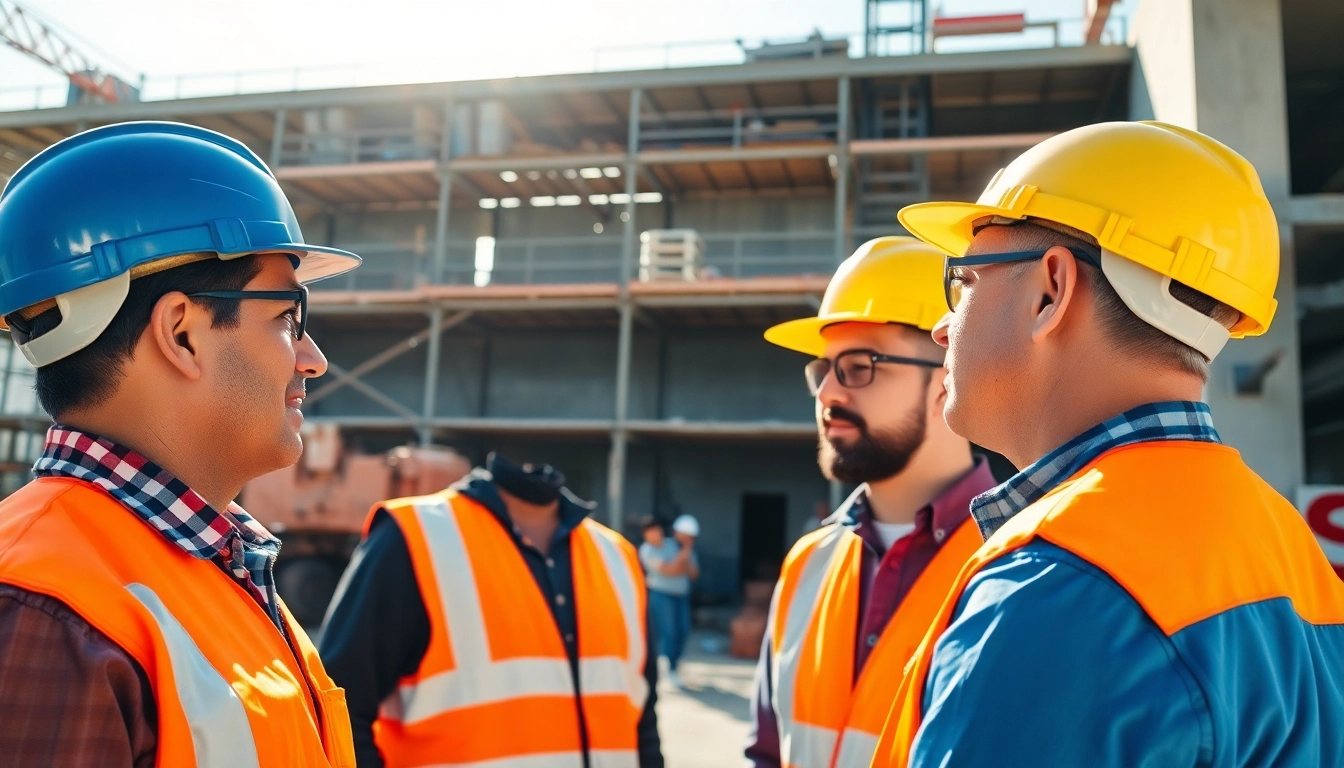
Understanding Construction Site Safety
Construction site safety is a critical aspect of the construction industry, impacting not only the well-being of workers but also the efficiency and reputation of construction projects. Ensuring a safe working environment requires a thorough understanding of the inherent risks, regulations, and effective strategies to mitigate hazards. Proper construction site safety protocols can prevent accidents, minimize injuries, and save lives. With a commitment to construction site safety, stakeholders can foster a culture of safety that resonates throughout the entire organization.
Importance of Construction Site Safety
The importance of construction site safety cannot be overstated. Every year, thousands of construction workers experience accidents that lead to serious injuries or fatalities. Effective safety measures protect not only employees but also the public. When construction sites are safe, companies benefit from reduced insurance costs, increased employee morale, and enhanced productivity. Additionally, a strong safety record can improve a company’s reputation, attracting new clients and retaining existing ones.
Common Risks and Hazards
Construction sites are fraught with potential hazards, including:
- Falls: The leading cause of construction fatalities, often due to improperly secured scaffolding or lack of fall protection.
- Electric Shock: Occurs when workers interact with exposed wiring or electrical equipment.
- Heavy Equipment Accidents: Injuries involving cranes, excavators, or forklifts can be severe.
- Slips, Trips, and Falls: Common incidents caused by uneven surfaces or misplaced materials.
- Hazardous Materials: Exposure to toxic substances, chemicals, or excessive noise levels can lead to health issues.
Legal Requirements and Compliance
Compliance with safety regulations is not just a best practice; it is a legal requirement. The Occupational Safety and Health Administration (OSHA) mandates specific safety standards for construction sites. Understanding these regulations ensures that construction projects adhere to legal obligations while safeguarding workers’ rights. Non-compliance can result in hefty fines and project shutdowns. Staying updated on local regulations and building codes is essential for effective compliance and reducing risks.
Best Practices for Ensuring Construction Site Safety
Implementing Safety Protocols
Developing comprehensive safety protocols is essential for mitigating risks on construction sites. This involves creating clear guidelines for various tasks, conducting risk assessments, and establishing preventative measures. Key components include:
- Site Safety Plans: Documented strategies tailored to specific projects outlining potential hazards and prevention measures.
- Checklists: Daily or weekly safety checklists ensure compliance and remind workers of safety practices.
- Communication: Regular meetings to discuss safety measures, updates, and concerns foster an environment where safety is prioritized.
Training and Education for Workers
Continuous training and education are crucial for creating a safety-conscious workforce. This includes:
- Orientation Programs: New employees should undergo thorough safety orientations before starting work.
- Ongoing Training: Regular training sessions on new safety practices, equipment handling, and emergency procedures keep safety at the forefront.
- Certification Programs: Encourage workers to obtain relevant certifications, such as First Aid or OSHA 10/30 certifications.
Regular Safety Audits and Assessments
Conducting regular safety audits helps identify hazards and ensures compliance with safety policies. These audits should include:
- Site Inspections: Frequent inspections should be carried out to assess equipment, tools, and the overall environment.
- Incident Analysis: Analyzing past accidents or near misses helps identify patterns and areas for improvement.
- Action Plans: Based on audit findings, companies should develop and implement corrective action plans.
Tools and Equipment for Enhancing Construction Site Safety
Personal Protective Equipment (PPE)
Personal protective equipment is the last line of defense for workers. Providing appropriate PPE, such as hard hats, safety goggles, high-visibility clothing, and harnesses, is essential for protecting against specific risks. Employers must ensure all PPE is:
- Properly Fitted: Ill-fitting equipment can hinder safety and comfort.
- Well-Maintained: Regular checks on PPE help ensure they remain in good condition.
- Available: Employers should ensure that adequate PPE is provided and accessible to all workers.
Safety Signage and Guidelines
Clear signage plays a vital role in communicating safety hazards and protocols on construction sites. Effective safety signage includes:
- Warning Signs: Indicate hazards such as overhead cranes or wet floors.
- Instructional Signs: Provide guidelines for proper equipment use and safety protocols.
- Emergency Exit Signs: Clearly marked exits ensure workers can evacuate quickly in case of an emergency.
Innovative Technology Solutions
Advancements in technology are enhancing construction site safety. Innovative solutions include:
- Wearable Technology: Smart helmets or vests equipped with sensors can monitor worker locations and vital signs.
- Drones: Used for site inspections, drones can help identify hazards without putting workers at risk.
- Mobile Apps: Safety management apps streamline communication and documentation of safety protocols and incidents.
Emergency Preparedness and Response
Creating Emergency Action Plans
Having an emergency action plan (EAP) is critical for responding effectively to crises on construction sites. Key elements of an EAP include:
- Evacuation Routes: Identify clear and accessible evacuation routes.
- Emergency Contacts: Maintain a list of emergency contacts including local emergency services and key personnel.
- Specific Procedures: Develop procedures for various potential emergencies, including medical emergencies and fires.
Conducting Drills and Training
Regular drills are essential for ensuring that all workers are familiar with emergency procedures. This includes:
- Fire Drills: Conduct fire drills regularly to practice evacuation procedures.
- First Aid Training: Equip selected workers with first aid training to handle medical emergencies.
- Scenario-Based Training: Use realistic simulations to prepare workers for various emergency situations.
Resources for Emergency Response
Development of an emergency response resource directory is essential for guiding employees on where to find help in emergencies. Resources include:
- Local Hospitals: Know the closest medical facilities and their contact information.
- First Aid Kits: Ensure first aid kits are readily available and stocked.
- Community Resources: Familiarize workers with local emergency services and resources available to them.
Evaluating and Improving Construction Site Safety
Monitoring Safety Performance
Monitoring safety performance involves tracking safety metrics and incidents to analyze trends. Important metrics to monitor include:
- Incident Rates: Calculate the frequency of injuries or near misses to evaluate safety performance.
- Training Attendance: Track employee participation in safety training programs.
- Audit Results: Record and analyze results from safety audits to identify improvements.
Gathering Feedback and Insights
Gathering feedback from workers is essential for continuous improvement. Methods to solicit feedback include:
- Surveys: Conduct regular safety surveys to gauge worker sentiment regarding current practices.
- Open Forums: Host forums or meetings where workers can voice concerns and share insights.
- Anonymous Reporting: Implement a system for anonymous feedback related to safety issues.
Continuous Improvement Strategies
Adopting continuous improvement strategies ensures safety practices evolve with changing needs. These strategies involve:
- Regular Review of Policies: Periodically assess safety policies and adjust as necessary.
- Benchmarking: Compare safety practices with industry standards and competitors to find areas for improvement.
- Best Practice Sharing: Encourage the sharing of successful safety strategies across different teams and projects.
Frequently Asked Questions about Construction Site Safety
What are the most common hazards on construction sites?
Common hazards include falls, electrical shocks, heavy equipment accidents, slips, and exposure to hazardous materials.
Are safety training programs mandatory?
Yes, safety training programs are essential and often mandated by regulations like OSHA to protect workers.
How often should safety audits be conducted?
Safety audits should be conducted regularly, at least quarterly, and whenever significant changes occur on-site.
What is the role of PPE in construction safety?
PPE serves as the last line of defense against workplace hazards, protecting workers from injuries and illnesses.
How can technology enhance construction site safety?
Technology like wearables, drones, and safety management apps can help monitor conditions and improve communication.