Understanding Railway Maintenance
What is Railway Maintenance?
Railway maintenance is a systematic process focused on ensuring that railway infrastructure and rolling stock remain safe, functional, and efficient over time. This encompasses a wide range of activities, including regular inspections, repairs, replacements, and upgrades to tracks, signals, stations, and trains. By implementing effective railway maintenance programs, rail operators can enhance safety, reduce disruptions in service, and extend the lifespan of their assets.
Importance of Railway Maintenance
The significance of railway maintenance cannot be overstated. It directly impacts safety, operational efficiency, and the overall experience of passengers. Regular maintenance minimizes the risk of accidents, thus enhancing public trust in rail systems. Furthermore, it optimizes resource use, leading to lower operational costs in the long run. By addressing wear and tear proactively, maintenance crews ensure that train services are punctual and reliable, which is essential for meeting the growing demands of freight transport and commuter services.
Key Components of Railway Maintenance
Railway maintenance involves several key components:
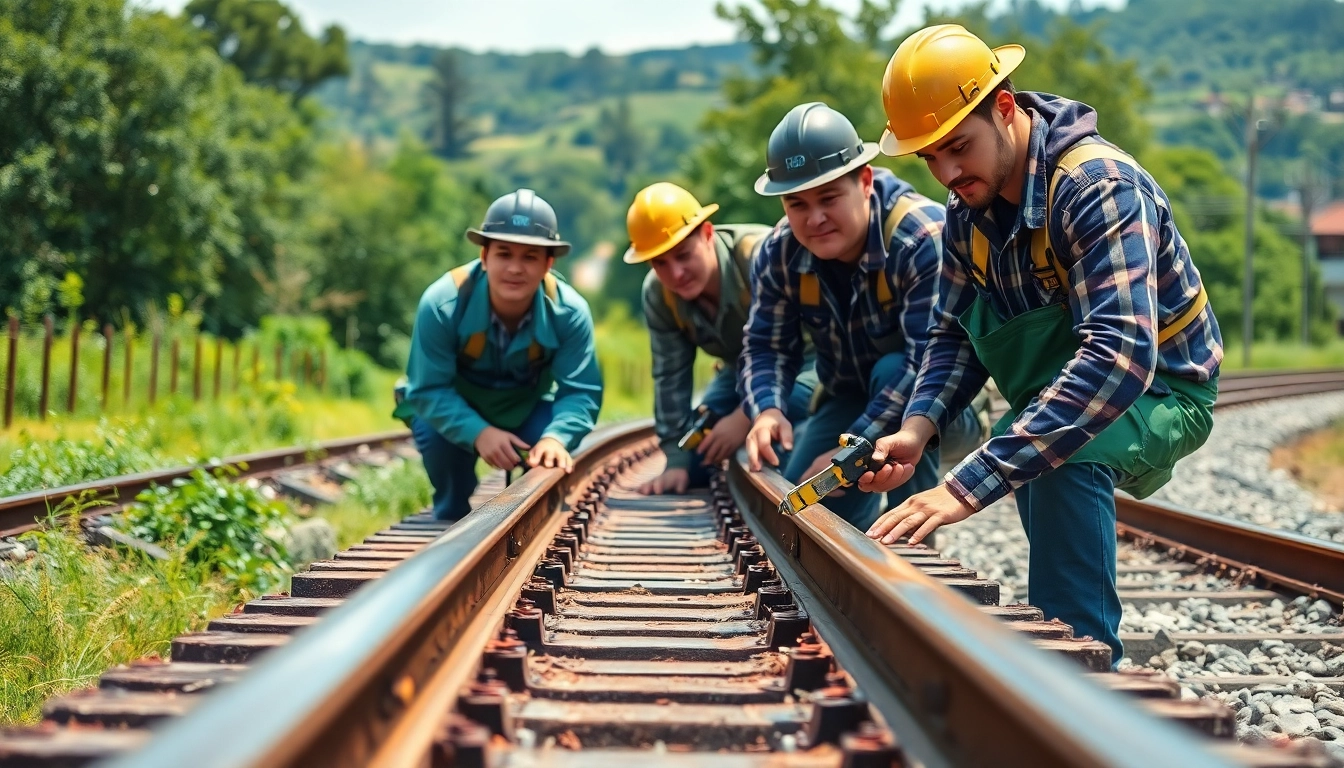
- Track Maintenance: This includes rail replacement, tie replacement, ballast maintenance, and regular inspections to ensure the tracks are in good condition.
- Signal and Communication Systems: Maintenance of signaling equipment ensures safe and optimized train movements.
- Rolling Stock Maintenance: This involves the upkeep of locomotives and carriages, focusing on the mechanical and electrical systems that keep them operational.
- Station Maintenance: Ensuring that stations are clean, safe, and accessible for passengers is also a critical part of railway maintenance.
Types of Railway Maintenance
Preventive Maintenance vs. Corrective Maintenance
Railway maintenance typically falls into two categories: preventive and corrective. Preventive maintenance is proactive and involves scheduled inspections and servicing designed to prevent equipment failures. It encompasses routine checks and replacement of components that are likely to fail. Corrective maintenance, on the other hand, is reactive. It is conducted after an issue is identified, such as a track failure or malfunctioning train part, to restore the asset to operational status. Both types play essential roles in a comprehensive maintenance strategy.
Scheduled Maintenance Practices
Scheduled maintenance practices involve systematic regular checks as per predefined timelines. These checks help in identifying potential issues before they escalate into major problems. Techniques used in scheduled maintenance include vibration analysis, ultrasonic testing, and thermal imaging, which help in evaluating the condition of both tracks and rolling stock without unnecessary downtime.
Ad-hoc Repairs and Emergency Maintenance
While scheduled maintenance helps in proactive asset management, there are instances where ad-hoc repairs and emergency maintenance become necessary. These unscheduled activities often require immediate action due to unforeseen issues, such as natural disasters, accidents, or sudden equipment failures. Quick response teams must be trained to assess the damage, carry out repairs efficiently, and restore service as soon as possible, ensuring minimal disruption to passengers and freight services.
Best Practices for Railway Maintenance
Regular Inspections Techniques
Regular inspections are critical for maintaining safety and operational efficiency in railway systems. Technicians employ various methods, including visual inspections, drone surveillance, and automated track measuring systems that provide real-time data on track integrity. These techniques help identify problems before they become significant risks.
Effective Use of Technology
The integration of technology in railway maintenance transforms traditional practices. Data analytics, Internet of Things (IoT) devices, and predictive modeling allow maintenance teams to harness real-time data for enhanced decision-making. Such technologies can predict maintenance requirements, optimize scheduling, and analyze historical performance to prolong asset life, ultimately reducing costs and improving safety.
Training and Safety Measures
Ensuring that maintenance crews are well-trained is paramount to a successful railway maintenance strategy. Regular training sessions on safety measures, new technologies, and best practices help to reduce workplace accidents and improve overall efficiency. Implementing a safety-first culture promotes diligence among personnel, making the railway network safer for both staff and passengers.
Challenges in Railway Maintenance
Common Issues Faced
Railway maintenance is not without its challenges. Common issues include aging infrastructure, budget constraints, and the impact of service disruptions during maintenance work. Aging infrastructure may require more frequent repairs and updates, escalating costs and resource allocation. Proper planning, ongoing assessments, and innovative funding approaches can help mitigate these challenges.
Resource Allocation and Management
Effectively managing resources—both human and material—is critical in railway maintenance. It requires precise planning to ensure that the right personnel and equipment are available when needed. Tools such as work order management systems can streamline operations, allowing for better tracking of resource use and efficiency improvements in maintenance scheduling.
Weather and Environmental Factors
Weather conditions can significantly affect railway maintenance operations. Situations like heavy snowfall, flooding, and extreme temperatures can hinder maintenance work, often leading to delays and increased costs. Developing contingency plans that account for environmental limits allows railway organizations to prepare for adverse conditions, thereby enhancing operational resilience.
Future Trends in Railway Maintenance
Innovations in Railway Technology
The future of railway maintenance lies in continuous innovation. Modern technologies, such as drones and artificial intelligence, are redefining how inspections and monitoring are conducted. Drones can quickly survey large areas for track and infrastructure issues, while AI can analyze data to predict failures, facilitating a shift towards more intelligent and automated systems.
Sustainability in Railway Operations
Sustainability is becoming a focal point in railway maintenance. Practices such as recycling materials and using eco-friendly technologies help reduce the environmental impact of railway operations. Encouraging the use of renewable energy sources for trains and facilities also promotes greener practices in the industry.
Data Analytics for Predictive Maintenance
Data analytics is revolutionizing railway maintenance by enabling predictive models that foresee potential failures based on historical and real-time data. This move to predictive maintenance reduces downtime and cost, making it a favored approach among railway operators looking to enhance service reliability and efficiency.
Frequently Asked Questions
What is the primary goal of railway maintenance?
The primary goal of railway maintenance is to ensure the safety, reliability, and efficiency of railway infrastructure and rolling stock through systematic inspections, repairs, and upgrades.
How often should railway tracks be inspected?
Railway tracks should ideally be inspected regularly, with the frequency determined by factors such as traffic volume, environmental conditions, and maintenance policies.
What are the benefits of preventive maintenance?
Preventive maintenance helps avoid costly repairs, enhances safety, and extends the lifespan of railway assets by addressing potential issues before they cause failure.
How does technology improve railway maintenance?
Technology enhances railway maintenance through data analytics, IoT devices, and automation, enabling predictive maintenance and more efficient resource management.
What challenges do railway operators face in maintenance planning?
Challenges include aging infrastructure, budget constraints, resource allocation, and the impact of environmental factors on maintenance activities.