Understanding the Importance of Track Inspection
In the realm of transportation infrastructure, maintaining safety and reliability is of utmost importance. One critical aspect of this maintenance is Track Inspection. Understanding what track inspection entails, why it’s essential, and its associated benefits can lead to improved safety and operational efficiency.
What is Track Inspection?
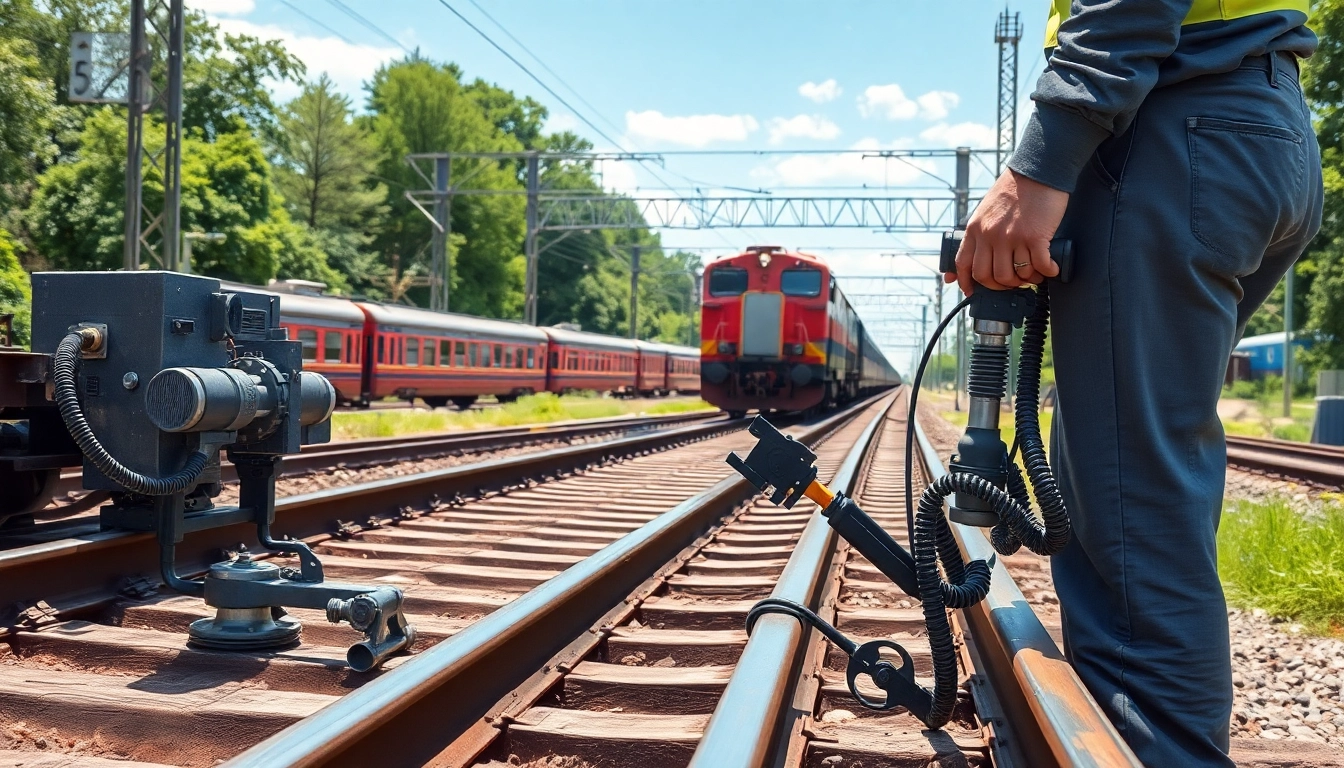
Track inspection refers to a systematic evaluation of railway tracks to identify any defects or deteriorations that may jeopardize safe train operations. This process involves a combination of visual checks, technological assessments, and routine monitoring. Inspections can take place at various intervals, ranging from daily checks to in-depth annual evaluations. Proper track inspection ensures that all components, including rails, ties, ballast, and signaling systems, are in optimal condition.
Why Regular Track Inspection is Crucial
Regular track inspection plays a significant role in preventing accidents and enhancing operational efficiency. Here are several reasons why these inspections are vital:
- Safety: Regular inspections help identify potential hazards before they result in incidents, ensuring passenger and cargo safety.
- Compliance: Inspections ensure that the railway operations comply with industry standards and regulations, mitigating legal risks.
- Cost-Effectiveness: Early detection of issues can lead to cost savings by preventing more extensive repairs or service disruptions.
- Operational Efficiency: Well-maintained tracks enhance train performance, leading to punctuality and reliability.
Benefits of Proactive Track Inspection
Proactive track inspection offers numerous benefits that extend beyond merely maintaining compliance or avoiding accidents. Some of these advantages include:
- Increased Lifespan: Regular inspections can prolong the lifespan of railway tracks by addressing minor issues before they develop into significant problems.
- Improved Resource Allocation: Having a clear understanding of track conditions helps in planning maintenance resources effectively.
- Enhanced Stakeholder Confidence: Demonstrating a commitment to safety and compliance can build trust with stakeholders, including passengers and regulatory bodies.
Types of Track Inspection Techniques
Various techniques are employed during track inspections, each with its advantages and applications. Understanding these techniques can improve the inspection process significantly.
Visual Track Inspection Methods
Visual inspections are among the most traditional and straightforward methods for assessing track conditions. Trained inspectors visually examine rail components for signs of wear, misalignment, or other issues. While effective at identifying obvious problems, visual inspections should be complemented with more advanced techniques for comprehensive evaluations.
Technological Advances in Track Inspection
The advancement of technology has revolutionized track inspection processes. Technologies such as ultrasonic testing, ground-penetrating radar, and drones have significantly enhanced the inspection’s accuracy and efficiency. For instance, ultrasonic testing can detect internal rail defects that are invisible to the naked eye, while drones can cover large areas quickly, providing detailed aerial views of track conditions.
Comparative Efficiency of Different Techniques
When evaluating the efficiency of inspection techniques, it is crucial to compare their costs, time requirements, and effectiveness. Visual inspections are less expensive but may overlook hidden defects; on the other hand, modern technological methods, while more costly, offer greater accuracy and thoroughness. Implementing a combination of both methods often yields the best results, balancing cost and safety.
Implementing a Successful Track Inspection Program
Implementing a comprehensive track inspection program is essential for maintaining the integrity of the rail system. This section outlines the key components and best practices for establishing a successful program.
Key Components of an Inspection Program
A successful inspection program should include the following critical components:
- Defined Objectives: Clearly outline the program’s goals, such as enhancing safety, complying with regulations, or extending infrastructure lifespan.
- Qualified Personnel: Ensure inspectors are well-trained and knowledgeable about track conditions and technologies.
- Documentation Procedures: Establish protocols for recording inspection findings to facilitate analysis and follow-up actions.
- Regular Schedules: Create a consistent schedule for inspections to proactively manage track conditions.
Best Practices for Conducting Inspections
To maximize the effectiveness of track inspection, consider the following best practices:
- Utilize a Multimodal Approach: Combine visual checks with advanced technologies for a comprehensive overview of track conditions.
- Continuous Training: Regularly update inspectors on new technologies, safety practices, and regulatory changes to enhance their skills.
- Engage with Stakeholders: Involve relevant stakeholders in the inspection process to ensure transparency and collaboration.
Training and Certification of Inspectors
Proper training and certification are crucial for inspectors to perform their duties effectively. A structured training program should cover practical skills, safety protocols, and the use of inspection technologies. Certification through recognized bodies ensures that inspectors adhere to industry standards, thus improving the overall quality of inspections.
Common Challenges in Track Inspection
While track inspections are vital, they also face several challenges. Understanding these obstacles can help in developing effective strategies to mitigate them.
Identifying Hidden Defects
One of the significant challenges in track inspection is identifying hidden defects that conventional visual checks may miss. Using advanced testing technologies, such as ultrasonic or friction testing, can help in diagnosing these hidden issues effectively.
Weather Impacts on Inspection Processes
Weather conditions can significantly affect track inspections. Rain, snow, and extreme temperatures can hinder accessibility and visibility. To counter this, consider scheduling inspections during favorable weather or utilizing temperature- and moisture-resistant technologies to ensure consistent evaluation conditions.
Cost Management in Track Maintenance
Balancing the costs associated with track maintenance and inspections presents a challenge. Implementing predictive maintenance strategies can help manage costs by addressing issues proactively before they escalate into more expensive repairs.
Measuring Track Inspection Effectiveness
Determining the effectiveness of track inspection efforts is essential for continuous improvement. Establishing performance metrics and conducting post-inspection reviews can provide valuable insights.
Establishing Performance Metrics
Performance metrics can vary, but key indicators may include:
- Rate of defect detection versus actual incidents.
- Time taken for inspections and follow-up repairs.
- Cost-effectiveness, comparing inspection costs to maintenance savings.
Conducting Post-Inspection Reviews
Post-inspection reviews are critical in assessing the success of an inspection program. Engaging in a comprehensive examination of inspection findings, corrective actions taken, and any missed defects can establish areas for improvement.
Continuous Improvement Strategies
For a track inspection program to remain effective, continuous improvement strategies should be implemented. This involves regularly reassessing inspection methodologies, incorporating feedback, and leveraging new technologies to enhance inspection practices.
Frequently Asked Questions
What is the primary goal of track inspection?
The primary goal of track inspection is to ensure the safe and efficient operation of railway systems by identifying and repairing defects before they lead to accidents.
How often should track inspections be performed?
Track inspections should be performed regularly, with frequency determined by factors like rail usage, track condition, and weather influences, ranging from daily to monthly evaluations.
What technologies are used in track inspection?
Common technologies include ultrasonic testing, ground-penetrating radar, and drones, which help detect hidden defects and monitor track conditions more accurately.
How can weather affect track inspections?
Adverse weather conditions like rain, snow, or extreme temperatures can hinder visibility and accessibility, impacting the thoroughness of inspections and possibly delaying maintenance.
What are some common defects found during track inspections?
Common defects include cracked rails, misaligned tracks, ballast problems, and worn-out ties, all of which can significantly compromise railway safety.